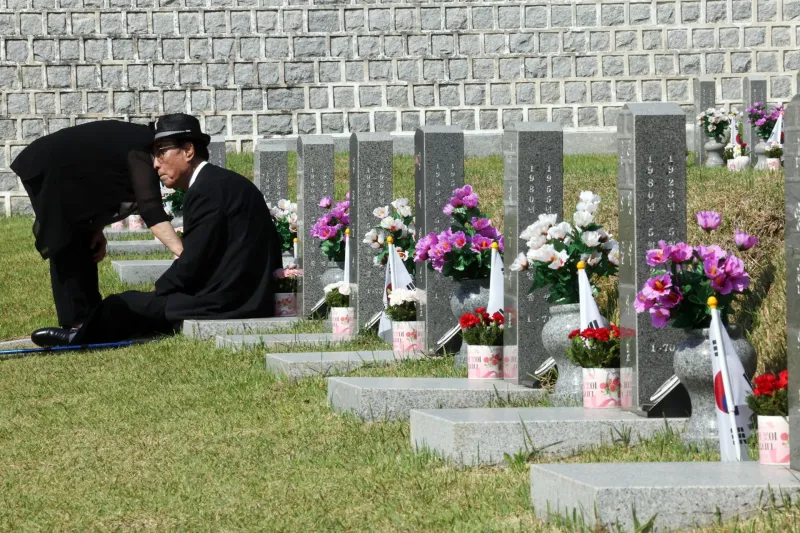
As South Korea marks the 46th anniversary of the May 18 Gwangju Uprising on Monday, false claims about the pro-democracy movement continue to circulate, despite a 2020 law that criminalizes the distortion of historical facts related to the event.
The Gwangju Uprising, which began on May 18, 1980, was a pro-democracy movement against the military dictatorship of Chun Doo-hwan. It was violently suppressed, resulting in hundreds of deaths. In 2020, South Korea enacted a law that punishes those who deny, distort, or defame the historical facts of the uprising, with penalties including up to five years in prison or a fine of up to 50 million won.
Despite this legal measure, online platforms and some public figures continue to spread misinformation, such as claims that the uprising was instigated by North Korean agents or that the death toll was exaggerated. These distortions have been debunked by official investigations and historical records, including the 1995 May 18 Special Law that re-examined the events.
Activists and civic groups have called for stricter enforcement of the law and better education to counter these false narratives. The Gwangju Uprising remains a pivotal event in South Korea's democratization, and efforts to preserve its accurate history continue.