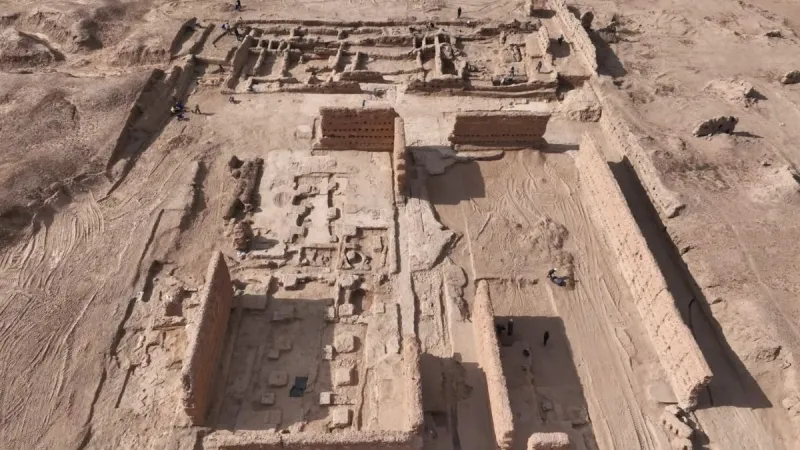
Archaeological excavations at Sijilmassa, the medieval trading city in southeastern Morocco often called the 'New York' of its era, have uncovered new structures, reigniting a long-standing debate between preservationists and development advocates. The site, located near Rissani in Tafilalet, was a key stop on the trans-Saharan trade route from the 8th to the 14th centuries, handling gold, salt, and slaves.
Recent digs, reported by Moroccan media in May 2026, have exposed parts of the city's walls, a mosque, and residential quarters. However, the lack of a comprehensive conservation plan has drawn criticism from archaeologists, who warn that unregulated tourism and urban expansion threaten the ruins. The Moroccan Ministry of Culture has stated it is working on a management plan, but no timeline has been announced.
The controversy highlights tensions between heritage preservation and economic development in the region, where local communities seek jobs and infrastructure. Sijilmassa was once a thriving metropolis of up to 30,000 people, but its decline began after the 14th century due to shifting trade routes and political instability.