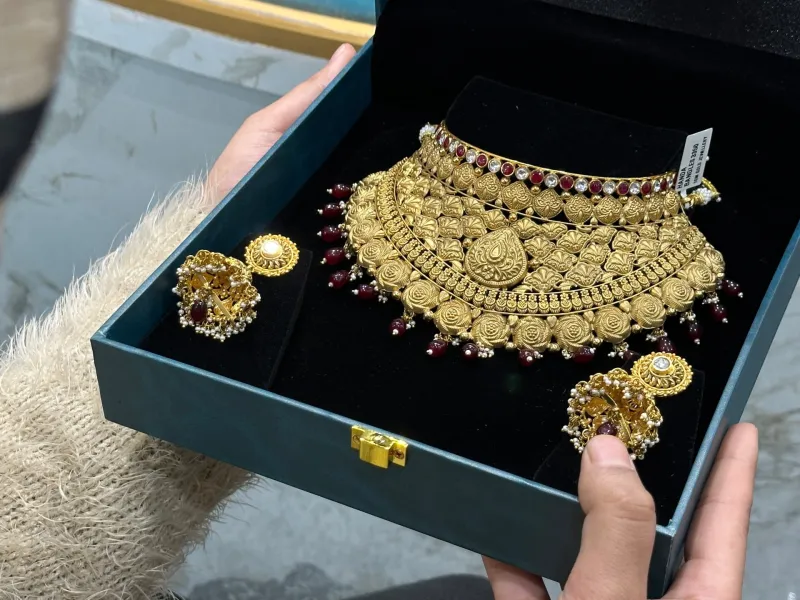
In Srinagar, Indian-administered Kashmir, Uzma Bashir, 26, monitors gold prices daily ahead of her summer wedding. She told Al Jazeera that she often sleeps with her phone beside her pillow, waking to check the price. As of April 2026, gold prices in India have surged, making traditional wedding jewelry increasingly unaffordable for many families.
According to a report by Al Jazeera published on April 24, 2026, some jewelers in South Asia now offer one-gram gold substitutes, such as lightweight gold-plated items or small gold coins, as alternatives to heavier sets. These substitutes allow brides to participate in the tradition of receiving gold without the high cost.
Industry experts note that the trend reflects broader economic pressures. The World Gold Council reported in early 2026 that Indian gold demand fell 10% year-on-year in the first quarter, partly due to price sensitivity. However, the shift to substitutes is not universal, and many families still prioritize gold as a financial asset.
Bashir said she hopes prices will drop before her wedding, but she is prepared to accept a smaller gold set if necessary. The practice highlights how cultural traditions adapt to economic realities in the region.