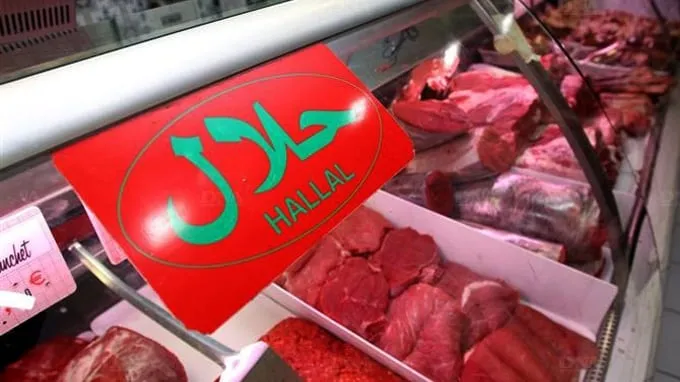
The global halal economy is a significant and growing market. According to the State of the Global Islamic Economy Report, the total expenditure by Muslims on halal food, pharmaceuticals, cosmetics, fashion, travel, and media reached $2.29 trillion in 2023. This figure is projected to grow substantially in the coming years, though the specific $3.1 trillion valuation cited in some reports is a forecast for future years, not a current verified figure for 2026.
Morocco is actively developing its halal industry as part of its economic strategy. The country has established a national halal certification body, IMANOR, to standardize and guarantee compliance with Islamic principles for both domestic products and exports. This move aims to build consumer trust and tap into the lucrative global Muslim market, particularly in Africa and Europe.
The kingdom's focus extends beyond food. Morocco is promoting Islamic finance and halal tourism, leveraging its cultural heritage and religious sites to attract visitors. The development of halal industrial zones is also part of the plan to become a regional hub for halal production and certification.
Challenges remain, including the need for greater international recognition of its certification standards and increased investment in production capacity. However, Morocco's strategic geographic location and established trade relationships position it to capitalize on the expanding global demand for halal products and services.