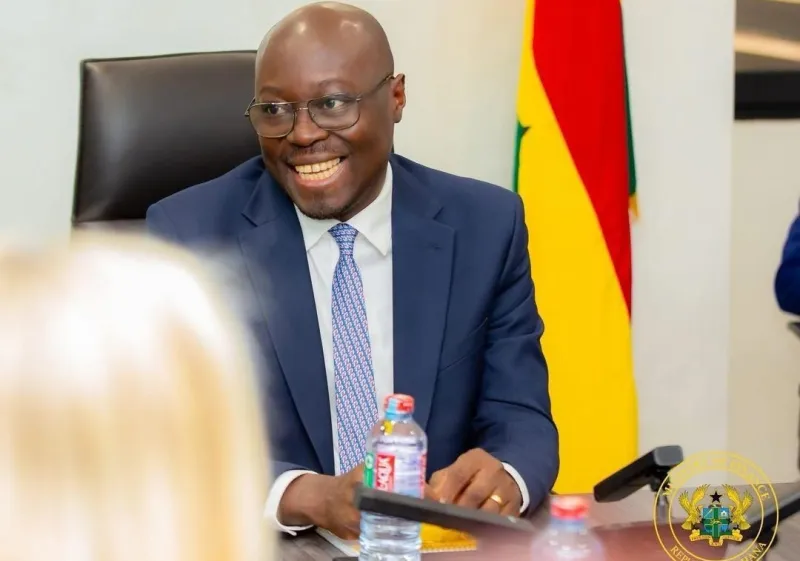
Ghana's government has ruled out a return to the international capital markets for the remainder of 2026, marking a significant shift in its economic strategy as the nation officially concludes its three-year bailout programme with the International Monetary Fund (IMF).
Finance Minister Dr. Mohammed Amin Adam stated that the government will not issue new Eurobonds or seek commercial loans abroad this year, focusing instead on domestic revenue mobilisation and concessional financing from multilateral institutions. The decision comes as Ghana completes the IMF Extended Credit Facility (ECF) programme, which began in 2023 and provided $3 billion in support.
The government's cautious approach reflects ongoing challenges, including high debt levels and the need to maintain fiscal discipline. Ghana defaulted on most of its external debt in December 2022 and has been restructuring its obligations since then. The IMF programme helped stabilise the economy, with inflation falling from over 50% in late 2022 to around 20% in early 2026.
Analysts note that while Ghana's economy has shown signs of recovery, with GDP growth projected at 4.5% for 2026, the country still faces significant hurdles. The government aims to reduce the fiscal deficit to 3.5% of GDP by the end of the year, down from 5.8% in 2025.
The decision to stay out of international markets is seen as a prudent move to avoid overborrowing and to ensure that the gains from the IMF programme are not squandered. The government plans to continue engaging with the IMF under a post-programme monitoring arrangement.