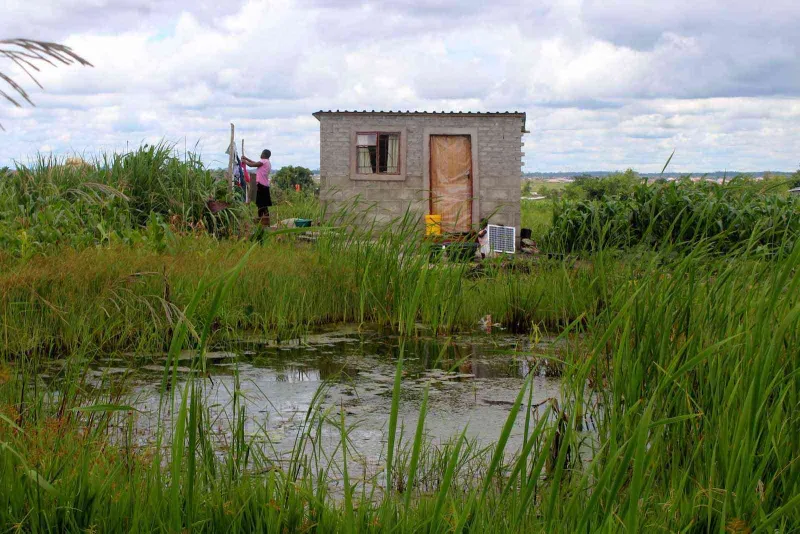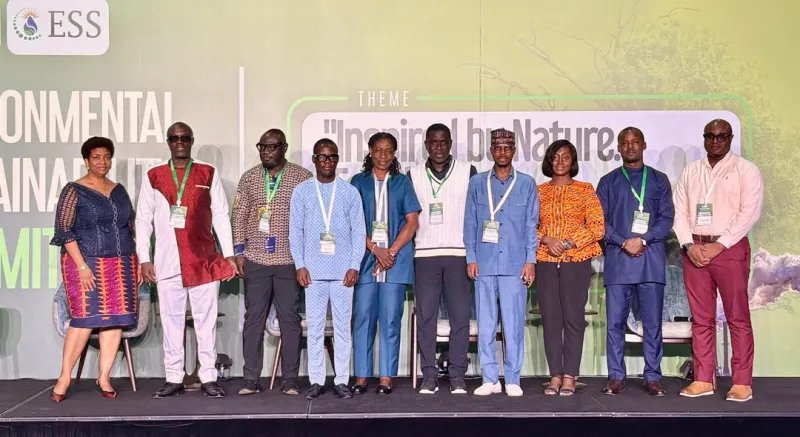
Ghana's ambitious green finance agenda could be undermined if the government fails to curb illegal mining, known locally as galamsey, which continues to destroy forests and pollute water bodies, according to a report by the Environmental Sustainability and Security (ESS) initiative.
The report, authored by Ebenezer Chike Adjei Njoku, warns that environmental degradation from galamsey—including mercury pollution in rivers and deforestation in key cocoa-growing regions—directly contradicts the conditions for attracting green bonds and climate finance. Ghana aims to raise billions of dollars through green bonds to fund renewable energy and sustainable agriculture.
Data from the Ghana Forestry Commission indicates that the country lost over 135,000 hectares of forest between 2015 and 2020, with illegal mining a major driver. Meanwhile, the Water Resources Commission has reported elevated levels of turbidity and heavy metals in rivers such as the Pra and Ankobra, affecting drinking water and aquatic life.
Experts say that without decisive action to enforce mining laws and restore degraded lands, international investors may view Ghana as too risky for green finance. The government has launched a task force to combat galamsey, but enforcement remains inconsistent.