Ghana Energy Minister Urges SOEs to Pay Electricity Bills
Ghana's Energy Minister John Jinapor calls on non-exempt state-owned enterprises to pay electricity bills to boost revenue.
August 8, 2026
1 min read
9 views
Source: citinewsroom.com
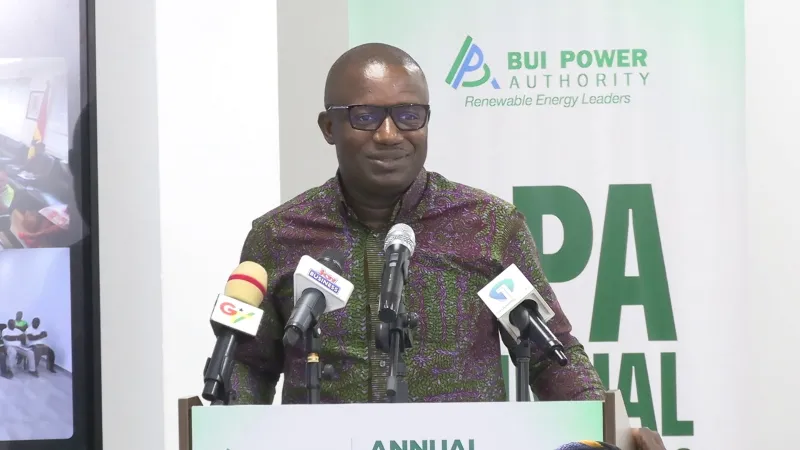
Ghana's Minister for Energy and Green Transition, Dr. John Abdulai Jinapor, has called for aggressive revenue collection in the power sector, particularly from state-owned institutions that are not exempt from paying electricity bills. He emphasized that all non-exempt entities must settle their debts to ensure the financial stability of the sector.
Speaking at a recent event, Jinapor stressed that the government is committed to ensuring that state-owned enterprises (SOEs) comply with their payment obligations. He noted that the current revenue shortfall in the power sector is partly due to unpaid bills by some state institutions.
The Minister's remarks come amid ongoing efforts to reform Ghana's energy sector, which has faced financial challenges. The government has been working to improve collection efficiency and reduce losses in the power distribution system.
Jinapor's call aligns with broader government initiatives to strengthen fiscal discipline and ensure that all consumers, including state entities, contribute fairly to the cost of electricity supply.
❓ Frequently Asked Questions
Which state-owned enterprises are exempt from paying electricity bills in Ghana?
The specific exemptions are not detailed in the article, but typically certain essential services like hospitals and schools may be exempt. The Minister's statement implies that non-exempt SOEs must pay.
Why is the Ghanaian government pushing for SOEs to pay electricity bills?
To improve revenue collection in the power sector and reduce the financial burden on the government, as unpaid bills by state institutions contribute to the sector's financial challenges.
What is the role of the Ministry of Energy and Green Transition in Ghana?
The ministry oversees the energy sector, including electricity generation, transmission, and distribution, and is responsible for policy formulation and implementation to ensure sustainable energy supply.