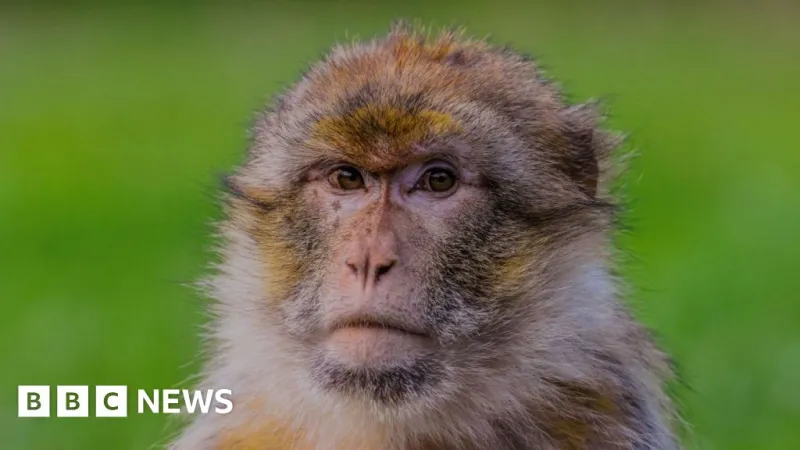
A pioneering genomic project has been hailed as a world first in conservation science, using genetic sequencing to trace the origins of captive Barbary macaques back to their wild counterparts in Morocco. The project's researchers described the genetic database they have built as a "master key" for understanding the species and supporting its survival.
Using this genetic resource, scientists were able to trace the ancestry of a captive Barbary macaque named Crinkle to wild populations living near Ifrane National Park and Khenifra National Park in Morocco's Middle Atlas mountains — two of the most important remaining habitats for the species.
The Barbary macaque (Macaca sylvanus) is listed as Endangered on the IUCN Red List, with wild populations estimated to have declined sharply in recent decades due to habitat loss, illegal wildlife trade, and human encroachment. The species is found primarily in the forests of Morocco and Algeria, with a small introduced population on the Rock of Gibraltar.
Conservationists hope the genomic tool will help improve breeding programmes in zoos and sanctuaries by ensuring genetic diversity is maintained, and could also assist authorities in identifying the origins of illegally trafficked animals. By matching captive individuals to specific wild source populations, the project could ultimately support reintroduction efforts and bolster wild numbers.
Researchers involved in the project said the findings represent a significant step forward for primate conservation, offering a replicable model that could be applied to other endangered species facing similar pressures from habitat destruction and the illegal pet trade.