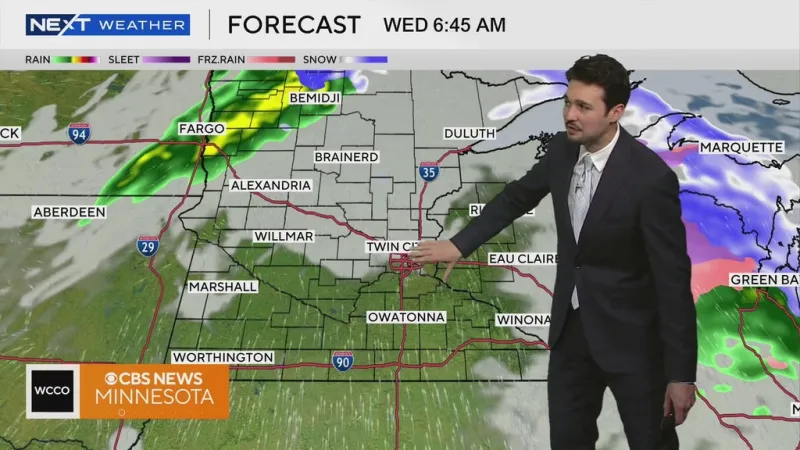
NEXT Weather, the meteorological service associated with Minnesota local broadcasting, released its 9 a.m. forecast for April 7, 2026. Early April in Minnesota is characteristically a transitional period, with temperatures that can swing between late-winter cold snaps and mild spring warmth, sometimes within the same week.
Minnesota's Twin Cities region typically sees average high temperatures in the mid-40s to low 50s Fahrenheit (around 7–11°C) during early April, with overnight lows that can still dip below freezing. Spring precipitation during this period can fall as rain, freezing rain, or even wet snow, depending on air mass movements from Canada and the Gulf of Mexico.
Residents in the region are advised to monitor local National Weather Service (NWS) updates and official broadcaster forecasts for the most current and location-specific conditions, as spring weather in Minnesota can change rapidly. The NWS Twin Cities office provides hourly updates and severe weather alerts as needed throughout the season.
For the most accurate and up-to-date forecast details, viewers are encouraged to visit the NEXT Weather platform directly or consult the National Weather Service at weather.gov.