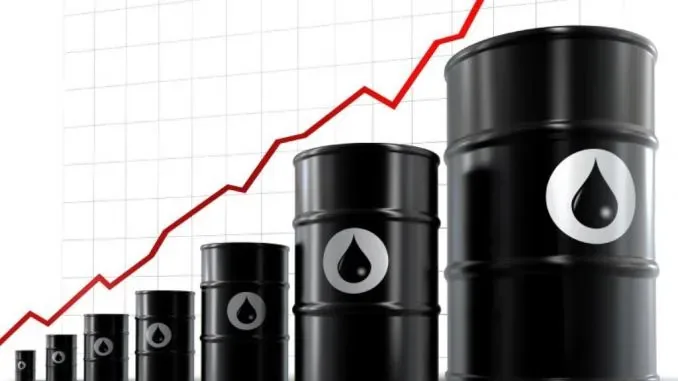
Global fuel prices remain elevated in early 2026, driven by persistent geopolitical tensions and supply chain constraints. Key factors include ongoing conflicts affecting major oil-producing regions and production decisions by OPEC+ nations, which continue to influence global crude oil benchmarks.
In response, numerous governments have implemented temporary fiscal measures to shield consumers. These include reductions in fuel excise taxes, direct subsidies at the pump, and targeted financial aid for vulnerable households and critical sectors like transportation and agriculture. Analysts note these measures provide short-term relief but strain national budgets.
Longer-term strategies to mitigate price volatility focus on accelerating the energy transition. Increased investment in renewable energy sources, electric vehicle infrastructure, and enhanced public transport are cited as essential steps to reduce dependency on fossil fuels. International energy agencies emphasize the need for diversified energy supplies and improved efficiency to build resilience against future market shocks.