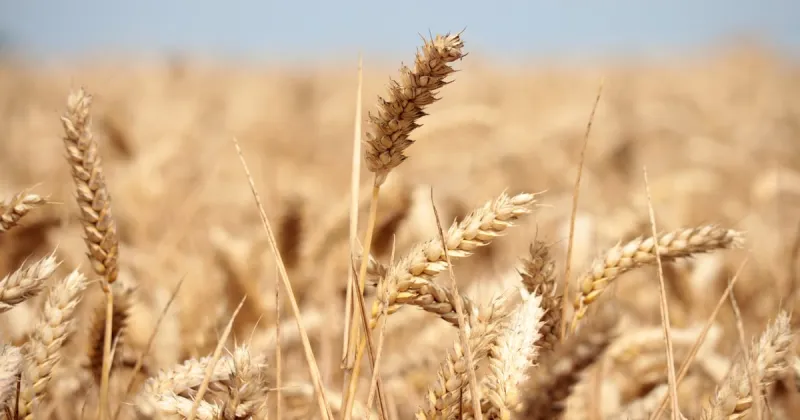
The Fès-Meknès region has solidified its role as a cornerstone of Morocco's agricultural sector. According to verified data from the Moroccan Ministry of Agriculture and the High Commission for Planning, the region produces approximately 18 million quintals of cereals annually and supports around 5 million livestock heads. This output accounts for roughly 20% of the national grain production, making it a dominant force in the country's food supply chain.
Key crops in the region include wheat, barley, and maize, which benefit from the fertile plains of the Saïs and the Gharb. The livestock sector is equally robust, with significant numbers of cattle, sheep, and goats raised for meat and dairy. The region's agricultural success is driven by a combination of favorable climate, irrigation projects, and government support under the Plan Maroc Vert and its successor, the Génération Green 2020-2030 strategy.
Despite its strengths, the region faces challenges such as water scarcity and climate variability. Recent droughts have impacted yields, prompting investments in drip irrigation and water-efficient technologies. The government has also promoted diversification into high-value crops like olives, citrus, and vegetables to enhance resilience.
Overall, Fès-Meknès remains a vital engine for Morocco's agricultural economy, contributing to food security and rural employment. Ongoing modernization efforts aim to sustain its productivity while addressing environmental constraints.