In Morocco, a notable trend has emerged in recent governments: ministers who began their lives in rural farming communities, known as 'fellahs,' have risen to the highest circles of power in Rabat. This background is particularly visible in key portfolios such as agriculture and interior.
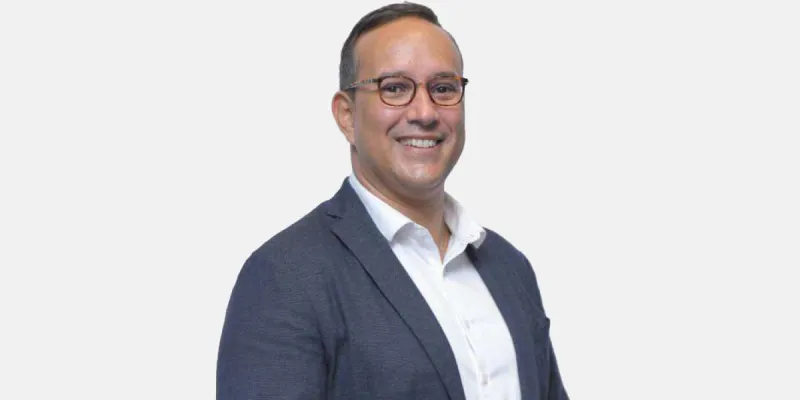
For instance, Mohammed Sadiki, the current Minister of Agriculture, Maritime Fisheries, Rural Development, and Water and Forests, was born in 1962 in the rural commune of Oulad Said in the province of Settat. He grew up in a farming family and later earned a PhD in agricultural economics from the University of Minnesota. His appointment in 2021 highlighted the government's focus on rural development.
Similarly, Abdelouafi Laftit, Minister of the Interior since 2017, was born in 1966 in the rural commune of Tafraout in the Souss-Massa region. He comes from a modest family background and pursued studies in law and public administration, eventually becoming a key figure in the government of Aziz Akhannouch.
These examples reflect a broader pattern in Moroccan politics, where leaders with rural roots are increasingly represented in the cabinet. This shift is seen as a way to bridge the gap between urban decision-making centers and the needs of the countryside, which remains home to a significant portion of the population.