French mayors have a range of tools at their disposal to protect their communities from climate-related disasters, such as floods, wildfires, and heatwaves. These include regulatory measures, early warning systems, and urban planning strategies.
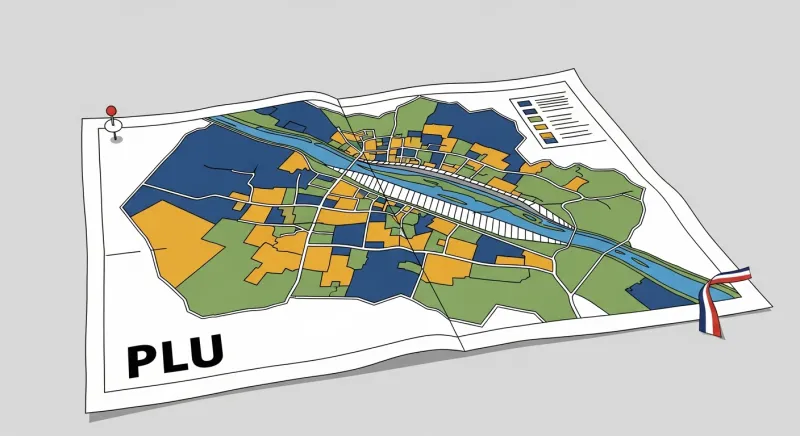
One key tool is the Plan de Prévention des Risques (PPR), which identifies high-risk zones and restricts construction in those areas. Mayors can also implement local emergency plans and coordinate with national services like Météo-France for weather alerts.
In addition, mayors can use their police powers to enforce safety measures, such as evacuations during extreme events. They can also promote green infrastructure, like permeable surfaces and green roofs, to reduce flood risks and urban heat island effects.
Funding from the state and European Union supports these efforts, but challenges remain, including limited budgets and the need for better data on local climate risks. As of 2026, many French cities are updating their climate adaptation plans to meet new national guidelines.