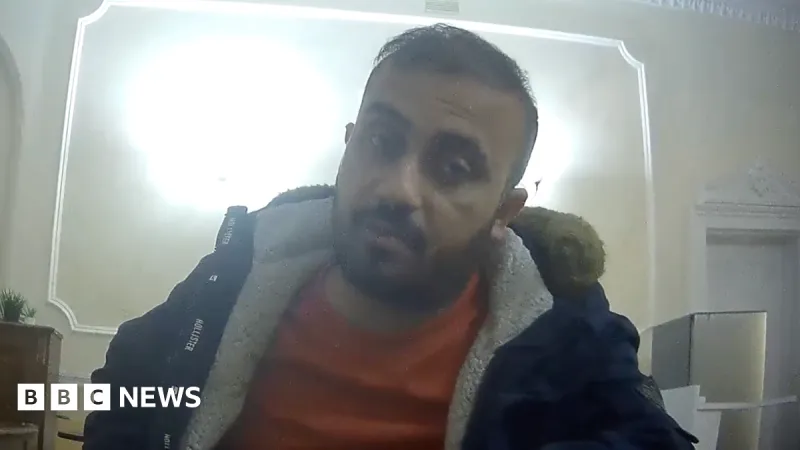
Law enforcement and immigration authorities in several countries are reporting an increase in sophisticated schemes involving fabricated evidence to support fraudulent asylum claims. Investigations have uncovered networks producing fake documentation, staged political protest videos, and bogus websites designed to mimic legitimate news sources, all created to substantiate false narratives of persecution.
In the United Kingdom, the National Crime Agency (NCA) has conducted operations targeting organized crime groups involved in this activity. A 2024 report highlighted cases where individuals were coached to falsely claim conversion to Christianity or atheism, supported by counterfeit letters from fictitious religious groups. Similarly, German authorities have documented instances of forged medical reports alleging torture.
The phenomenon is not limited to Europe. Canadian border officials have identified a trend of applicants using fraudulent national identity documents. The complexity of these schemes often involves multiple actors, including unscrupulous immigration advisers who charge high fees for manufacturing evidence packages.
While the scale is difficult to quantify precisely, international bodies like the European Union Agency for Law Enforcement Cooperation (Europol) note that document fraud remains a significant challenge in immigration systems. Governments are responding with enhanced document verification technologies and closer international cooperation to dismantle the criminal networks profiting from these activities.