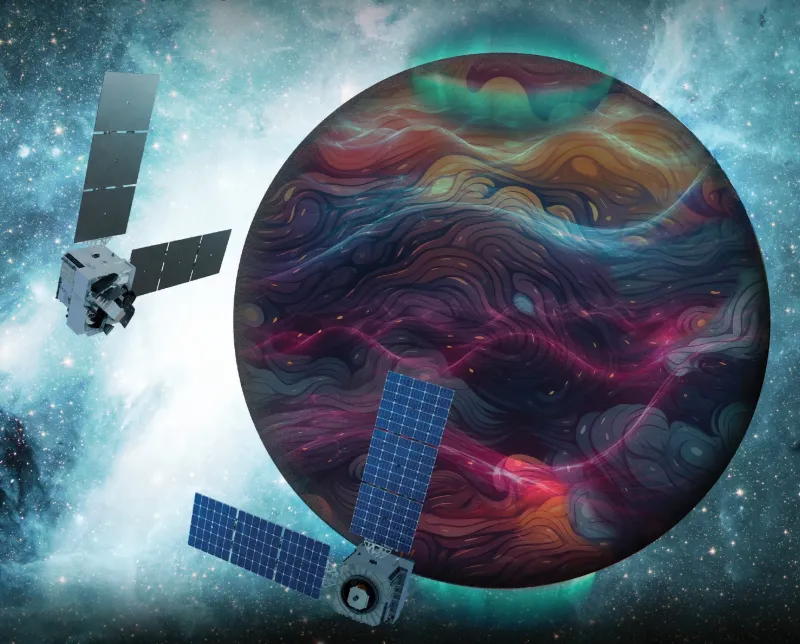
Astronomers can use telescopes to find specific molecules in the atmospheres of exoplanets, but confirming potential signs of life is a slow process that can take years. The James Webb Space Telescope (JWST), launched in December 2021, has been a key tool in this effort, detecting molecules like carbon dioxide, water vapor, and methane in the atmospheres of distant worlds. However, these detections are not definitive proof of life, as such molecules can also be produced by geological or chemical processes.
One notable example is the exoplanet K2-18 b, a sub-Neptune about 120 light-years away. In 2023, JWST detected carbon dioxide and methane in its atmosphere, with hints of dimethyl sulfide (DMS), a molecule that on Earth is produced primarily by marine phytoplankton. However, as of April 2026, the detection of DMS remains unconfirmed, and scientists caution that more data is needed to rule out non-biological sources.
The process of confirming biosignatures involves multiple steps: initial detection, follow-up observations with different instruments, and modeling to exclude false positives. For instance, the TRAPPIST-1 system, with seven Earth-sized planets, has been a focus of JWST observations, but as of early 2026, no definitive biosignatures have been announced. Astronomers emphasize that patience is crucial, as each observation cycle can take months to plan and execute.
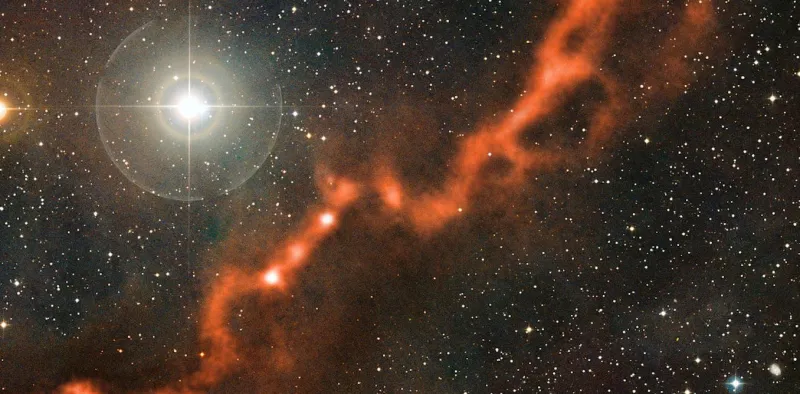
In addition to exoplanets, telescopes study nebulae and galaxies for organic molecules. The Atacama Large Millimeter/submillimeter Array (ALMA) in Chile has detected complex organic molecules like methanol and formamide in star-forming regions, which are building blocks for life but not evidence of life itself. These findings help scientists understand the chemical evolution of the universe.
Overall, the search for life beyond Earth is advancing, but it requires rigorous verification. As of April 2026, no confirmed detection of extraterrestrial life exists, and the scientific community remains cautious, emphasizing that extraordinary claims require extraordinary evidence.