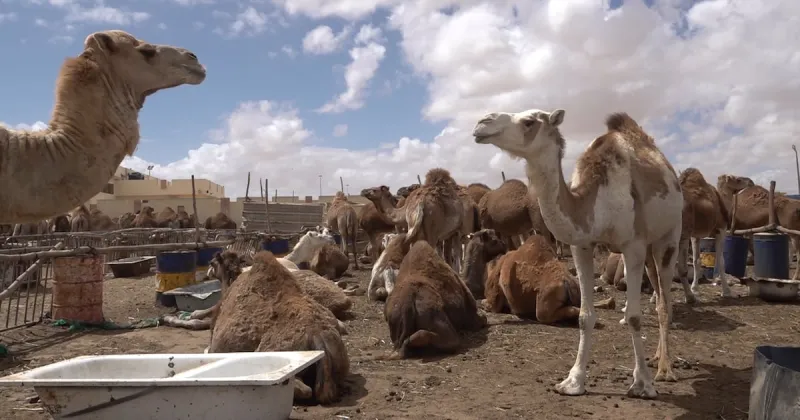
In the southern provinces of Morocco, particularly in Laayoune, the practice of sacrificing a camel instead of a sheep or goat for Eid al-Adha is a deeply rooted tradition in Hassani culture. This custom is observed annually during the Islamic holiday, reflecting the region's unique heritage.
According to local reports, the tradition involves the collective sacrifice of a dromedary, which is then distributed among families and the needy. This practice emphasizes community solidarity and adherence to religious rites, with the camel being a symbol of wealth and generosity in the Saharan context.
The tradition has been maintained for generations, with families often pooling resources to purchase a camel for the sacrifice. The meat is shared according to Islamic guidelines, with a portion given to the poor, reinforcing social bonds.
This practice is distinct from other parts of Morocco, where sheep are more commonly sacrificed. The camel sacrifice in Laayoune highlights the cultural diversity within the country and the preservation of local customs.