Eid al-Adha, also known as Eid al-Kebir, is one of the most important Islamic holidays. In 2026, it is expected to fall around May 17, based on lunar calendar calculations. For Muslims in France, including those of Moroccan origin, the celebration involves balancing cultural traditions with the constraints of French daily life.
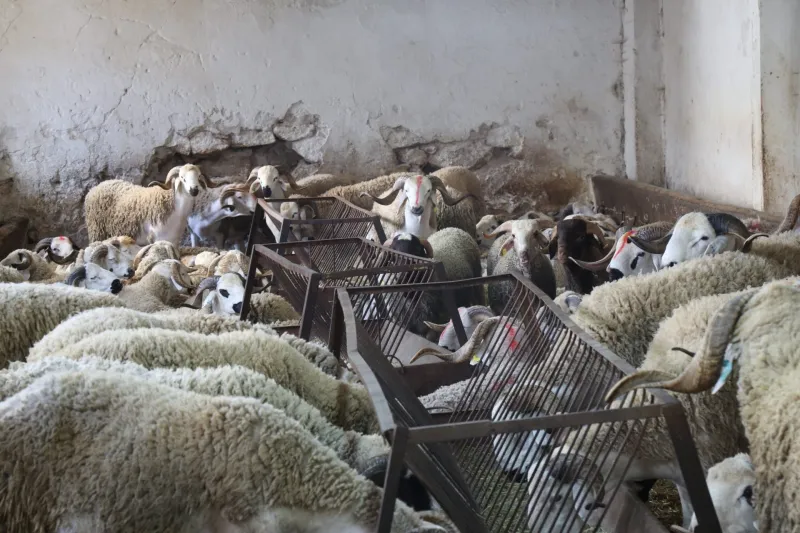
According to the French Council of the Muslim Faith (CFCM), the date of Eid al-Adha is determined by the sighting of the moon. In France, many families prepare by cleaning their homes, baking traditional cookies, and planning the ritual sacrifice of a sheep, which must be done in approved slaughterhouses to comply with French animal welfare laws.
Souad, a Moroccan-French woman interviewed by Le Monde in 2023, recalled the collective excitement in her neighborhood in Morocco before the holiday. In France, she said, the preparation is more individual and often squeezed between work and school schedules. The French government has not declared Eid an official holiday, so many Muslims take personal leave to celebrate.
The ritual sacrifice, known as Qurbani, is a key part of Eid al-Adha. In France, it is regulated by the Ministry of Agriculture, which requires that animals be slaughtered in licensed facilities. The meat is traditionally shared among family, friends, and the needy. In 2024, the French Muslim community donated over 100,000 sheep for the holiday, according to the CFCM.
For many French Muslims, Eid al-Adha is a time to reconnect with their heritage while integrating into French society. As Souad noted, 'We celebrate with our hearts in two places, but we make it work here.'