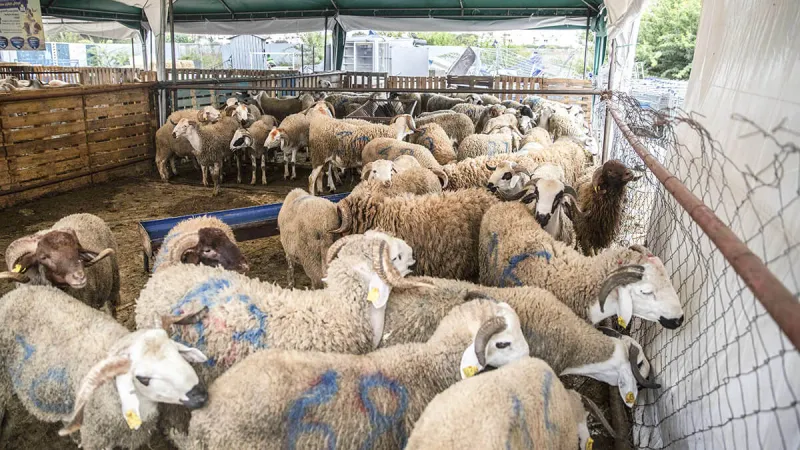
Eid al-Adha, one of the most significant holidays in Islam, began on May 27, 2026, across the Muslim world. The festival, which commemorates the willingness of Ibrahim to sacrifice his son, is typically marked by prayers, feasts, and the ritual sacrifice of livestock. However, this year's celebrations are overshadowed by the ongoing crisis in Gaza and economic pressures in several key countries.
In Morocco, Egypt, and Turkey, markets are experiencing inflationary pressures that have driven up the prices of livestock and other essential goods, making it difficult for many families to afford traditional sacrifices. According to reports from local news outlets, the cost of sheep in Morocco has risen by approximately 20% compared to last year, while in Egypt, meat prices have surged due to currency devaluation and supply chain disruptions.
Saudi Arabia has implemented emergency measures to ensure the smooth conduct of the Hajj and Eid celebrations. The Saudi Ministry of Hajj and Umrah announced additional health and safety protocols, including increased medical staff and sanitation stations, to manage the influx of pilgrims. The kingdom has also subsidized the price of sacrificial animals to ease the financial burden on worshippers.
The Gaza Strip remains largely cut off from the festivities, with the ongoing conflict and blockade preventing the import of livestock and essential supplies. Humanitarian organizations, including the United Nations Relief and Works Agency (UNRWA), have called for a ceasefire to allow aid deliveries. The situation has prompted diplomatic efforts, with Turkey and Qatar mediating for a temporary truce to facilitate humanitarian access.
Regional diplomacy has intensified, with the Organization of Islamic Cooperation (OIC) urging member states to increase humanitarian aid to Gaza. The crisis has also sparked protests in several Muslim-majority cities, where demonstrators have called for an end to the violence and greater international intervention.