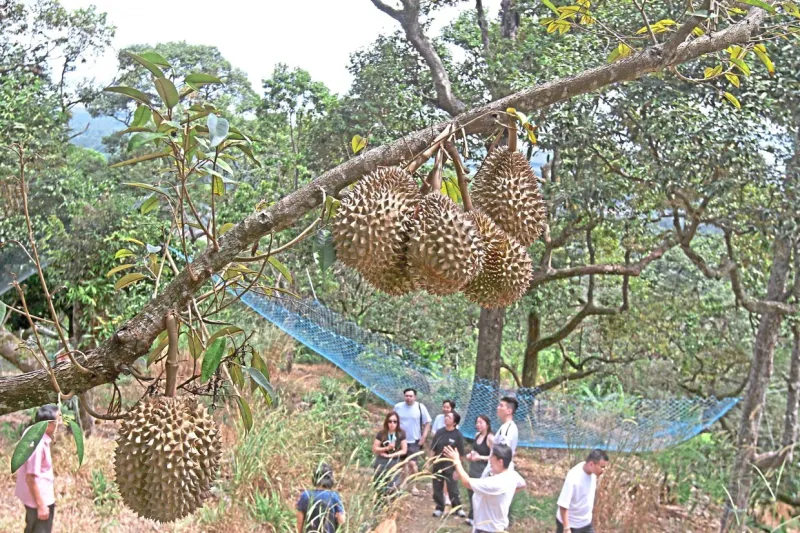
Durian, known as the 'King of Fruits' in Southeast Asia, has long divided opinion. For enthusiasts, its creamy texture and complex flavor—often described as a mix of almonds, caramel, and onion—are irresistible. For others, particularly Westerners, its pungent smell, reminiscent of rotten onions or turpentine, can be off-putting.
However, in recent years, the fruit has gained a global following. According to a 2025 report by the Malaysian Durian Industry Board, durian exports from Malaysia reached 35,000 metric tons in 2024, a 20% increase from 2023, driven by demand from China, Singapore, and Hong Kong. The Musang King variety, prized for its bitter-sweet taste and golden flesh, commands prices of up to 100 ringgit ($23) per kilogram.
Tourism has also benefited. The annual Durian Festival in Penang, held in June 2025, attracted 50,000 visitors, including 10,000 from abroad, according to Tourism Malaysia. Visitors can sample fresh durian at orchards or attend cooking classes featuring durian-based dishes like ice cream and pancakes.
Despite its growing popularity, the durian remains banned in many public spaces in Malaysia, including hotels and public transport, due to its strong odor. Yet, for fans, the fruit's unique appeal continues to win converts worldwide.