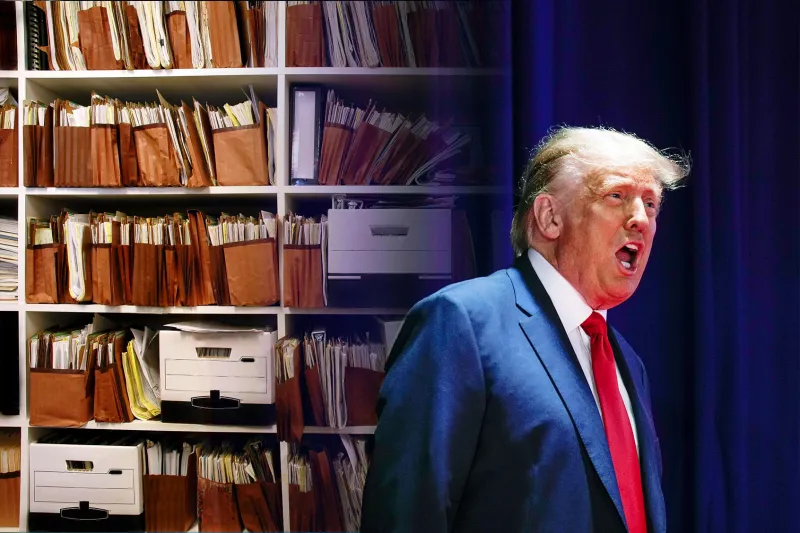
A recent legal argument from the U.S. Department of Justice (DOJ) has sparked concern among historians and government transparency advocates about the integrity of the Presidential Records Act (PRA). In a court filing from April 2026 related to the classified documents case against former President Donald Trump, the DOJ asserted that a president's decision to treat a record as personal during their term is final and not reviewable by the National Archives or the courts.
The PRA, enacted in 1978 after President Richard Nixon sought to destroy his papers, established that presidential records are public property and must be transferred to the National Archives at the end of an administration. The law was designed to prevent the destruction or private retention of historically significant documents. The DOJ's current argument, if accepted by the courts, could create a significant loophole, allowing presidents to unilaterally designate official documents as personal.
Legal experts and archivists warn this interpretation threatens the core purpose of the law. They argue it could enable future presidents to withhold a wide range of materials from public scrutiny, effectively reverting to a time when presidents could freely dispose of their papers. The argument is part of the ongoing legal proceedings and has not been ruled on by a judge.