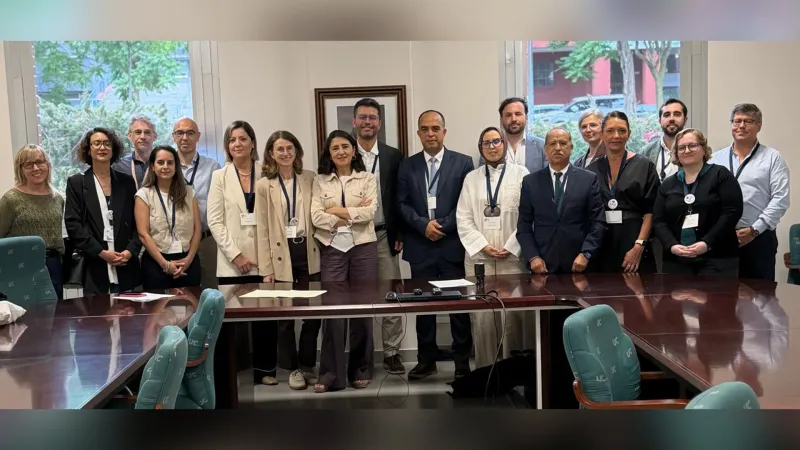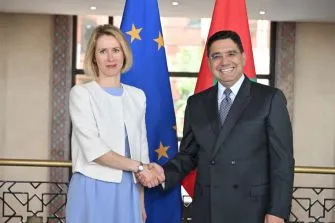
The European Union and Morocco have solidified a new, ambitious strategic partnership, as announced following a high-level meeting in Brussels. The agreement aims to strengthen cooperation across a wide range of sectors including trade, energy, migration, and security. A joint statement highlighted the partnership as a "mutual commitment to an alliance of peace, stability, shared prosperity, and respect for international law."
A central and contentious element of the renewed partnership is the EU's endorsement of Morocco's Autonomy Plan for the disputed territory of Western Sahara. The EU described the Moroccan plan as "serious, credible, and realistic" and as a basis for a UN-led political solution. This position aligns Morocco's proposal with the framework of ongoing UN efforts to resolve the decades-long conflict.
The EU's stance has drawn immediate criticism from the Polisario Front, which seeks independence for Western Sahara and is recognized by the UN as the representative of the Sahrawi people. Algeria, a key backer of the Polisario, has also condemned the move, calling it a violation of international law. The announcement marks a significant diplomatic shift for the EU, which had previously maintained a more neutral position focused on UN-led negotiations.
The enhanced partnership includes plans for increased EU investment in Morocco, particularly in green energy projects like green hydrogen, and deeper collaboration on managing migration flows. The deal is seen as a strategic move by the EU to secure a stable and cooperative southern neighbor amid broader geopolitical competition in North Africa.