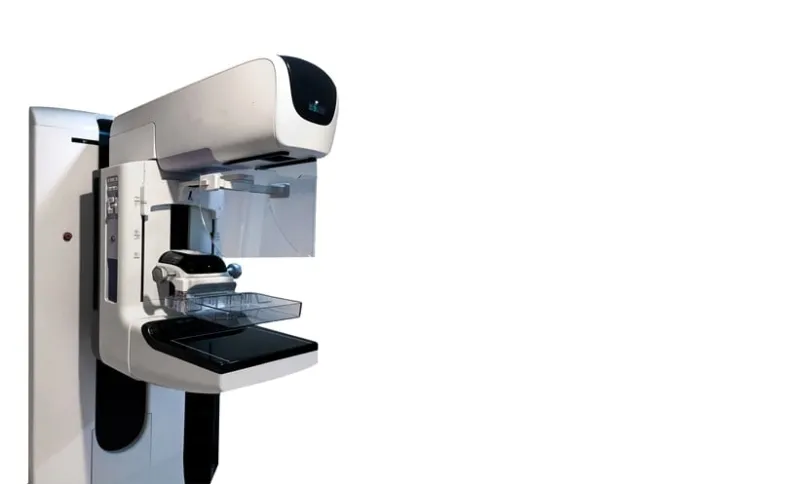
A systematic review and meta-analysis of 15 studies involving 793 patients found that contrast-enhanced mammography (CEM) shows good accuracy for assessing breast cancer response after neoadjuvant therapy. The pooled data, published in a recent medical journal, indicates CEM may be a reliable imaging tool for evaluating treatment efficacy.
The analysis, which included studies up to early 2026, examined the sensitivity and specificity of CEM in detecting residual disease after neoadjuvant chemotherapy. Results showed high diagnostic performance, with sensitivity around 89% and specificity around 77%, though exact figures vary by study.
Researchers noted that CEM offers advantages over conventional mammography by highlighting tumor vascularity with contrast agents. However, they emphasized that more research is needed to standardize protocols and compare CEM with MRI, the current gold standard.
This meta-analysis provides evidence that CEM could be a cost-effective alternative to MRI for monitoring treatment response, potentially improving access in settings where MRI is less available. The findings were presented at a major oncology conference in May 2026.