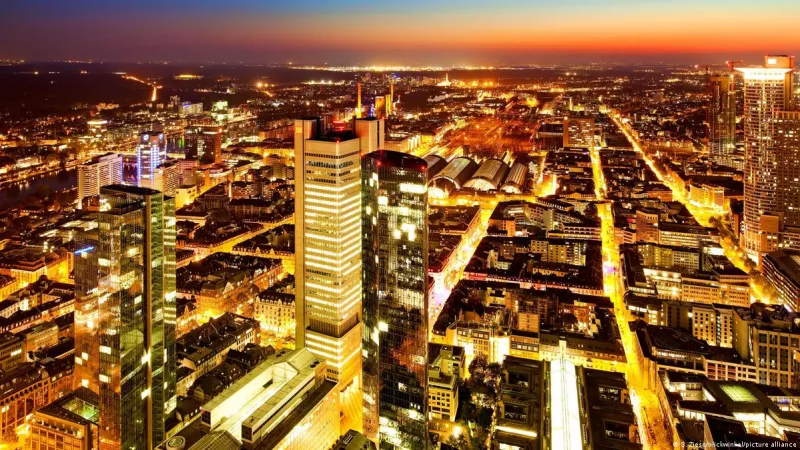
Light pollution, the excessive or misdirected artificial light at night, is a growing concern for cities worldwide. According to a 2016 study in Science Advances, 80% of the world's population lives under light-polluted skies, with 99% of people in the United States and Europe experiencing some level of light pollution. This has prompted urban planners to seek solutions.
In response, cities like Tucson, Arizona, and Flagstaff, Arizona, have implemented strict lighting ordinances. Tucson reduced its light pollution by 7% per year from 2011 to 2022 by switching to fully shielded LED streetlights that direct light downward, as reported by the International Dark-Sky Association. Flagstaff, designated the world's first International Dark Sky City in 2001, has maintained its status through regulations that limit light trespass and glare.
Other cities, including Paris, France, and London, UK, have adopted 'lights out' policies for buildings after certain hours. Paris, for example, requires non-essential commercial lighting to be turned off between 1 a.m. and 6 a.m., a measure that has reduced energy use by 30% according to city officials. These efforts aim to restore natural darkness, which is crucial for human health, wildlife, and astronomical observation.
The benefits of reducing light pollution extend beyond stargazing. Studies have linked artificial light at night to disrupted circadian rhythms, increased risk of obesity, depression, and certain cancers. For wildlife, light pollution disorients migratory birds, sea turtles, and insects. The American Medical Association has endorsed the use of lower color temperature LEDs (3000K or less) to minimize harmful blue light emissions.
As of May 2026, the trend continues to grow, with more municipalities adopting 'dark sky' principles. The International Dark-Sky Association now lists over 200 certified Dark Sky Places worldwide, including communities, parks, and reserves. While challenges remain, such as balancing safety with darkness, the movement to reclaim the night sky is gaining momentum.