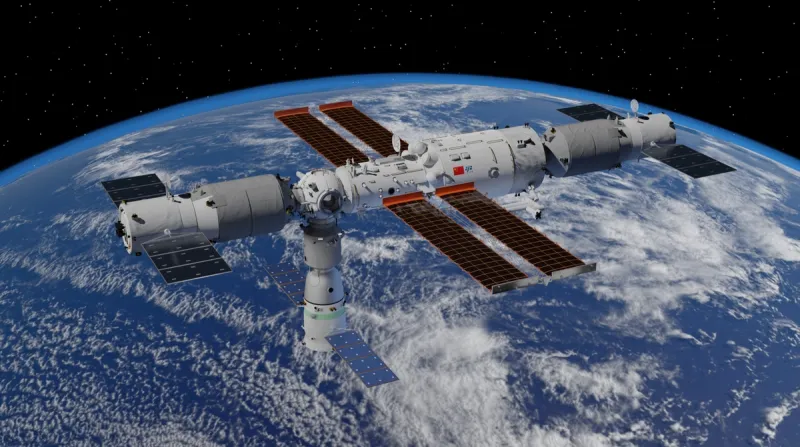
Chinese scientists have successfully conducted an in-orbit experiment using artificial embryos created from human stem cells aboard the Tiangong space station. The study aims to investigate how microgravity impacts early human development, a critical area for future long-duration space missions.
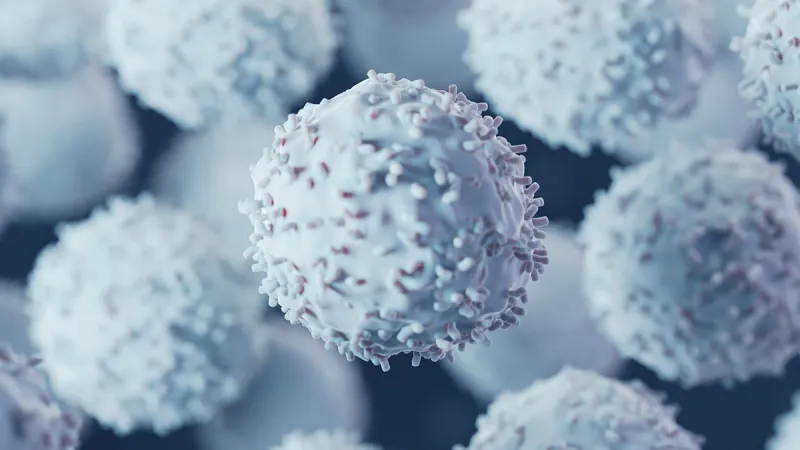
The experiment involved culturing human embryonic stem cells in a specialized device on the station. Researchers observed the formation of blastocyst-like structures, known as blastoids, which mimic early-stage embryos. This marks the first time such a study has been performed in space, according to reports from Chinese state media.
The findings could provide insights into the safety of human reproduction in space and help address challenges for potential space colonization. The research was led by scientists from the Chinese Academy of Sciences and other institutions, with results published in a peer-reviewed journal.