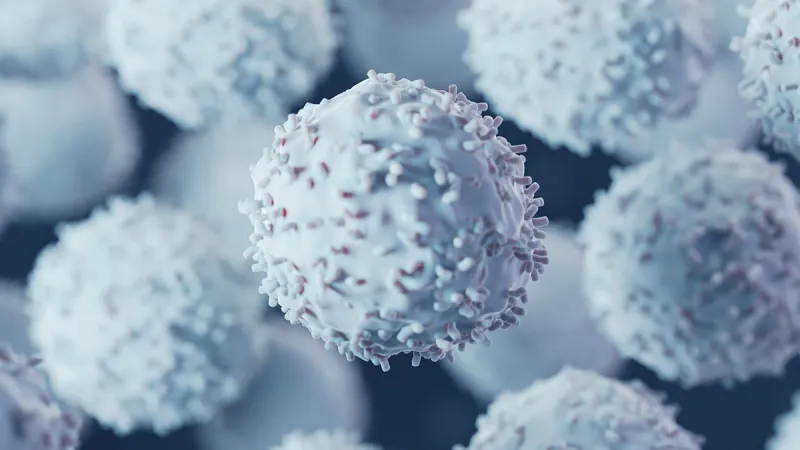
Scientists have identified a new mechanism that allows cancer cells to evade the immune system, according to a study published in the journal Nature on June 15, 2026. The research, led by Dr. Emily Carter at the University of California, San Francisco, reveals that certain tumors produce a protein that masks their presence from T cells, the body's primary immune defenders.
The study found that the protein, named 'Evadein-1,' binds to a receptor on T cells, preventing them from recognizing cancer cells as threats. In laboratory experiments, blocking Evadein-1 restored T cell activity and reduced tumor growth in mice by 60% over four weeks. 'This discovery opens a new avenue for immunotherapy,' said Dr. Carter in a press release.
Clinical trials are expected to begin in early 2027, pending regulatory approval. The findings build on previous work on immune checkpoint inhibitors, which have revolutionized cancer treatment but are ineffective for many patients. The team emphasizes that more research is needed to confirm the results in humans.