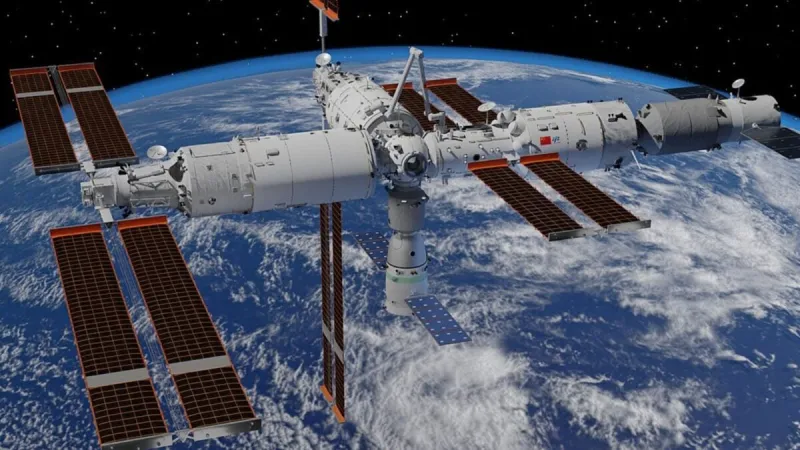
China has launched artificial embryos into orbit as part of a study to understand the feasibility of mammalian reproduction in space. The experiment, conducted aboard a Chinese spacecraft, aims to examine how microgravity and cosmic radiation affect early embryonic development.
According to reports, the embryos are derived from mouse stem cells and are being monitored remotely. The research is a step toward addressing the challenges of long-duration space missions, such as those planned for the Moon and Mars.
Scientists emphasize that this is a preliminary study and that human reproduction in space remains a distant goal. The results will help identify potential risks and guide future research.