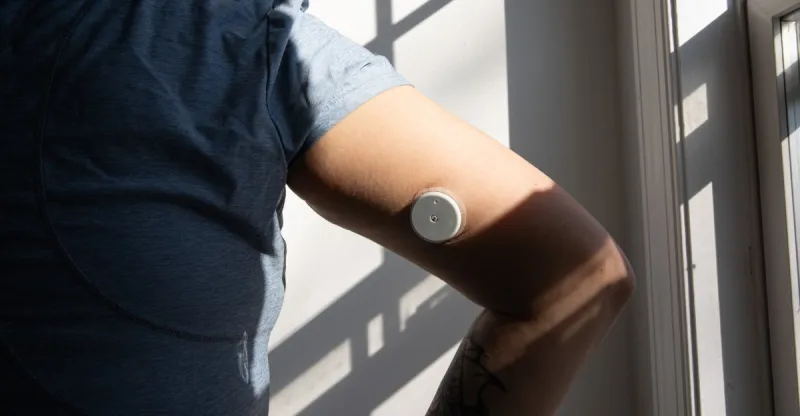
Continuous glucose monitors (CGMs) — small wearable sensors originally developed for people with diabetes — have surged in popularity among health-conscious consumers without diabetes. Devices such as the Abbott FreeStyle Libre and Dexcom Stelo, the first CGM cleared by the U.S. Food and Drug Administration specifically for non-diabetic adults, have made it easier than ever for anyone to track their blood sugar in real time. Dexcom's Stelo received FDA clearance in 2024 and is available over the counter without a prescription.
Proponents argue that CGMs can reveal how individual foods, exercise, sleep, and stress affect blood glucose, empowering users to make more informed lifestyle choices. Some users report cutting back on refined carbohydrates or adjusting meal timing after seeing unexpected glucose spikes. However, nutrition and endocrinology experts caution that glucose variability in healthy individuals is normal and that not every spike is clinically meaningful or harmful.
A growing body of research and clinical commentary raises concerns about the psychological impact of constant biometric monitoring. Some users report heightened food anxiety, orthorexic tendencies, or obsessive checking of their sensor data — a phenomenon sometimes called 'metric fixation.' The American Diabetes Association and other medical bodies have noted that CGM use in non-diabetic populations lacks robust long-term clinical evidence supporting improved health outcomes.
The cost is another barrier. Without insurance coverage — which is typically reserved for people with diabetes — CGM sensors can cost between $89 and $150 or more per month out of pocket. Critics argue that this positions CGMs as a premium wellness product accessible mainly to affluent consumers, raising questions about health equity. As of early 2026, major insurers in the United States generally do not cover CGM use for people without a diabetes diagnosis.
The consensus among medical professionals is nuanced: CGMs can be a useful short-term educational tool for some individuals, particularly those at risk of developing type 2 diabetes or managing prediabetes, but continuous use by healthy people may generate more anxiety than actionable insight. Experts recommend consulting a physician or registered dietitian before investing in a CGM, rather than self-interpreting data in isolation.