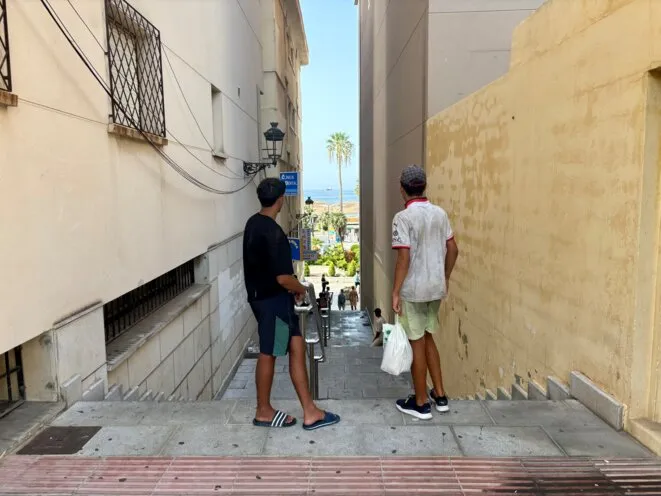
In the Spanish enclave of Ceuta, a growing number of unaccompanied Moroccan minors are living in limbo, refusing to return to Morocco despite repatriation efforts. Local authorities report that these youths, often teenagers, roam the streets, surviving on charity and informal work, while shelters are overwhelmed.
The situation has intensified since the mass border crossings of May 2021, when thousands of Moroccans entered Ceuta. Many minors were sent back, but others remain, and new arrivals continue. According to the Spanish government, as of early 2026, around 200 unaccompanied minors are in Ceuta's care, but dozens more are unaccounted for, living rough.
Local NGOs and the Red Cross provide food and basic medical aid, but they warn that the lack of legal status and the refusal to be repatriated create a humanitarian and security challenge. The minors cite poverty, lack of opportunity, and family pressure as reasons for staying, hoping to reach mainland Europe.
The Spanish and Moroccan governments have agreements on repatriation, but implementation is slow. Ceuta's regional government has called for more resources and a clear policy, while human rights groups urge that any solution respect the minors' best interests and due process.