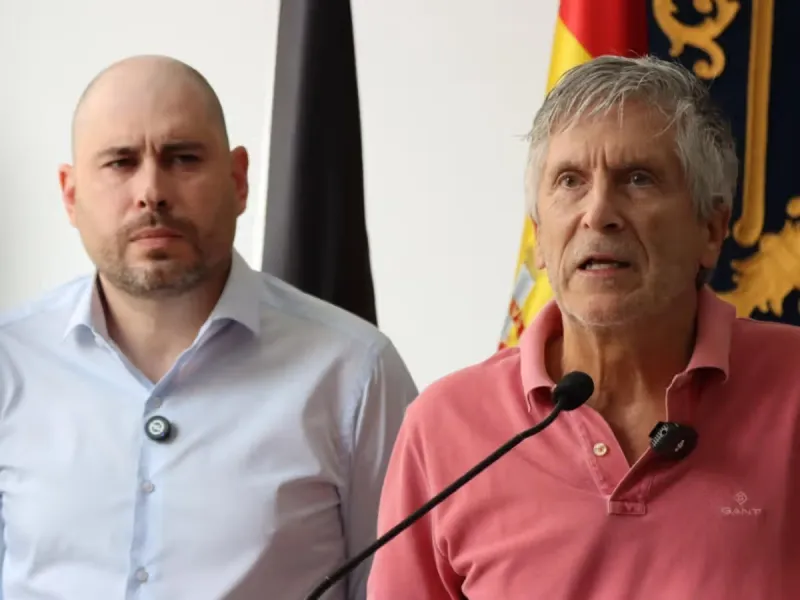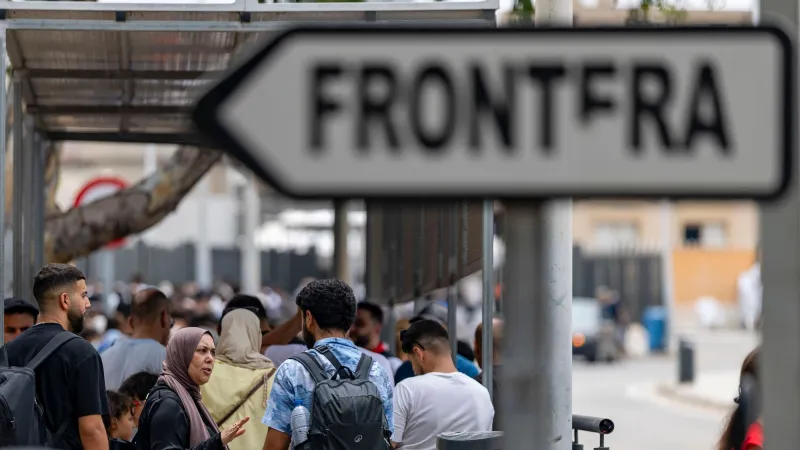
On August 2, 2026, the Spanish government announced that the vast majority of migrants who crossed into the Spanish enclave of Ceuta in May have left, either voluntarily or through deportation. The announcement comes as Spain and Morocco continue to manage the aftermath of the largest influx of migrants into the enclave in years.
According to Spanish authorities, of the approximately 8,000 migrants who entered Ceuta in mid-May, only a few hundred remain in the city. The rest have been returned to Morocco, relocated to mainland Spain, or have left through other means. The Spanish government has emphasized that the situation is now under control, with border security reinforced.
The crisis began on May 17, when thousands of migrants, many of them Moroccan, crossed into Ceuta after Moroccan border guards appeared to loosen controls, in a move widely seen as retaliation for Spain's decision to host a leader of the Western Sahara independence movement. The influx strained local resources and sparked a diplomatic row between Madrid and Rabat.
In recent weeks, Spain and Morocco have taken steps to ease tensions, including high-level diplomatic meetings. However, human rights organizations have raised concerns about the treatment of migrants, including reports of summary deportations and the situation of unaccompanied minors. The Spanish government has said it is working to ensure the rights of all migrants are respected.