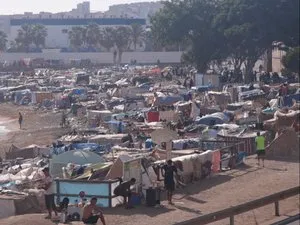
Ceuta, a Spanish enclave on the North African coast, continues to host thousands of migrants in makeshift camps, according to recent reports. Many of those living in the encampments are Moroccan nationals, including unaccompanied minors, who have crossed into the territory in search of better opportunities or to reach mainland Europe.
The presence of these informal settlements has generated tensions with local residents, who have expressed frustration over the strain on public services and security concerns. Spanish authorities have faced criticism for the slow processing of asylum claims and the lack of adequate reception facilities, leaving many migrants in a state of limbo for months.
Morocco and Spain have maintained diplomatic relations despite periodic spikes in migration flows, but the situation in Ceuta remains a sensitive issue. The Spanish government has not announced any new large-scale regularization plans as of September 2026, and the camps persist as a visible symbol of the broader European migration challenge.
Humanitarian organizations have called for urgent action to improve conditions in the camps, particularly for minors, while local officials continue to demand more support from both Madrid and the European Union. The situation remains fluid, with no clear resolution in sight.