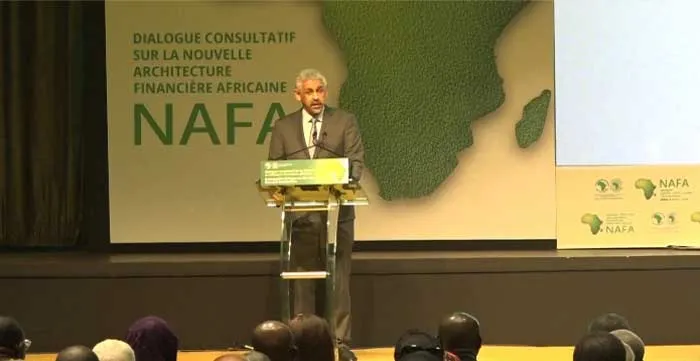
African leaders and financial experts are intensifying calls for a reformed continental financial architecture. The push, centered on principles of subsidiarity and complementarity, aims to enhance Africa's capacity to finance its own development priorities and reduce external dependency.
Key institutions like the African Development Bank (AfDB) and the African Union have been central to this dialogue. In 2025, AfDB President Akinwumi Adesina emphasized the need for a financial architecture that allows for more resources to be mobilized and managed within Africa, supporting initiatives like the African Continental Free Trade Area (AfCFTA).
The proposed model advocates for decisions and resource allocation to be made at the most local effective level, strengthening regional bodies and national systems. Proponents argue this is essential for tackling climate finance, infrastructure gaps, and achieving the UN Sustainable Development Goals.
Critics point to significant challenges, including existing debt burdens, currency vulnerabilities, and the need for stronger governance frameworks. The success of this reform agenda hinges on political will and deeper regional integration to create larger, more attractive markets for investment.