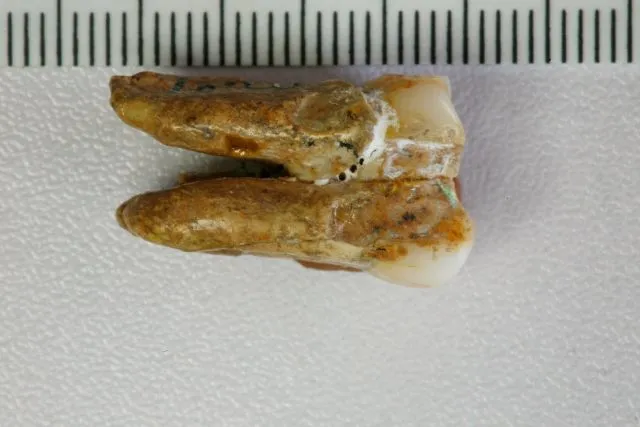
A new study published in the journal Nature on May 14, 2026, analyzed ancient teeth from the Denisova Cave in Siberia, revealing direct evidence of interbreeding between Neanderthals and Denisovans. The research, led by scientists at the Max Planck Institute for Evolutionary Anthropology, used protein analysis to identify a first-generation hybrid individual, a female with a Neanderthal mother and a Denisovan father.
The teeth, dated to around 100,000 years ago, provide the first physical evidence of such mixing between these two ancient human relatives. Previous genetic studies had hinted at interbreeding, but this is the first time a direct hybrid has been identified from fossil remains. The findings suggest that interactions between these groups were more frequent than previously thought.
This interbreeding has left a lasting genetic legacy in modern humans, particularly in populations from Asia and Oceania, who carry Denisovan DNA. The study also indicates that Neanderthals and Denisovans shared a common ancestor with modern humans around 600,000 years ago, but diverged from each other about 400,000 years ago.