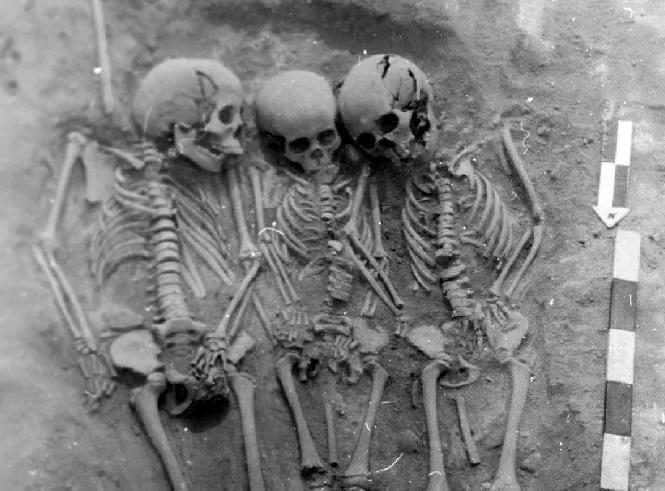
An ancient hunter-gatherer cemetery near Lake Baikal in southeast Siberia has long puzzled archaeologists due to an unusually high number of child and adolescent burials. Now, DNA analysis of teeth from 46 individuals buried at this and nearby sites has uncovered the oldest known plague outbreaks, dating back approximately 7,000 years.
Researchers extracted DNA from the teeth, which preserve genetic material well, and identified the bacterium Yersinia pestis, the cause of plague, in several individuals. The findings, published in a recent study, suggest that plague was present in prehistoric Siberia much earlier than previously thought, potentially contributing to the high mortality among younger individuals.
The study, led by scientists from the University of Copenhagen and other institutions, analyzed remains from the Lokomotiv and other cemeteries in the region. The DNA evidence indicates that these ancient strains of Y. pestis were less virulent than later strains, but still capable of causing significant outbreaks in close-knit hunter-gatherer communities.
This discovery challenges earlier assumptions that plague only became a major human threat in historical times, such as the Justinian Plague or the Black Death. Instead, it shows that plague has been a recurring challenge for human populations for millennia, even in remote regions of Siberia.
The research highlights the power of ancient DNA analysis to solve archaeological mysteries and provides new insights into the long history of infectious diseases in human societies.