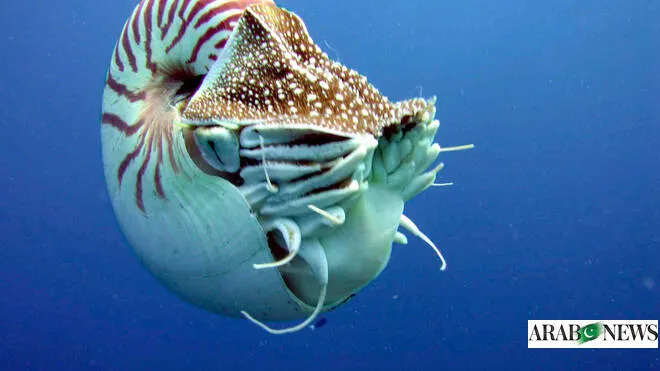
LONDON — A fossil celebrated as the world's oldest known octopus has been officially reclassified, stripping it of its record-breaking status. New research published in the journal Nature Communications concludes the 330-million-year-old specimen is not an octopus but a more primitive relative within the cephalopod family.
The fossil, named Syllipsimopodi bideni when it was first described in 2022, was notable for its ten limbs and was initially thought to push back the evolutionary origins of vampyropods—the group including octopuses and vampire squid—by about 82 million years. However, a detailed re-examination of its features, including its body shape and the presence of a hard internal shell called a phragmocone, indicates it belongs to an earlier branch of cephalopod evolution.
"It's a case of mistaken identity," said lead researcher Dr. Christopher Whalen, a paleontologist at the American Museum of Natural History. "The anatomical evidence clearly places it outside the lineage that leads to modern octopuses. It's a fascinating and important fossil, but it's not the record-holder we thought it was."
The reclassification means the title of the oldest definitive octopus fossil reverts to specimens around 240 million years old. The study underscores the challenges of classifying ancient soft-bodied animals, whose remains are rarely preserved in detail. The fossil, discovered in Montana, USA, remains a significant find for understanding the early diversity of cephalopods.