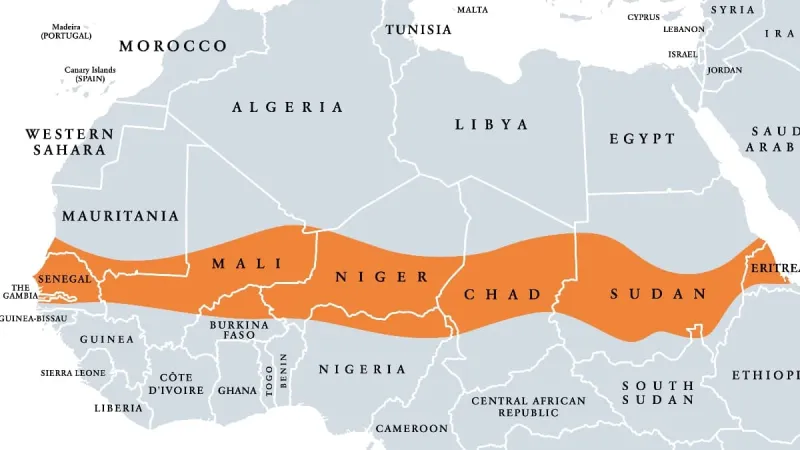
Algeria has intensified its diplomatic and security engagement across the Sahel, positioning itself as a key mediator and stabilising force in a region grappling with jihadist insurgencies and political instability. The country's approach combines counterterrorism cooperation, economic investment, and diplomatic mediation, particularly in Mali and Niger.
Algeria's historical role in mediating the 2015 Algiers Accord between the Malian government and separatist groups remains a cornerstone of its Sahel policy. However, the accord's implementation has stalled, and Mali's subsequent coups have reshaped the political landscape, prompting Algeria to adapt its strategy.
In recent years, Algeria has hosted numerous regional conferences and has been involved in efforts to coordinate a collective response to security threats. It has also provided humanitarian aid and development assistance to Sahelian states, aiming to address root causes of instability such as poverty and marginalisation.
Algeria's stance is complicated by its opposition to foreign military interventions, preferring African-led solutions. This position has at times put it at odds with other international actors, but it underscores Algeria's desire to maintain strategic autonomy and protect its own borders from spillover violence.
As the Sahel continues to face multifaceted crises, Algeria's role as a stabiliser will remain crucial. Its ability to balance national security interests with regional cooperation will shape the future of its strategic depth in the Sahel.