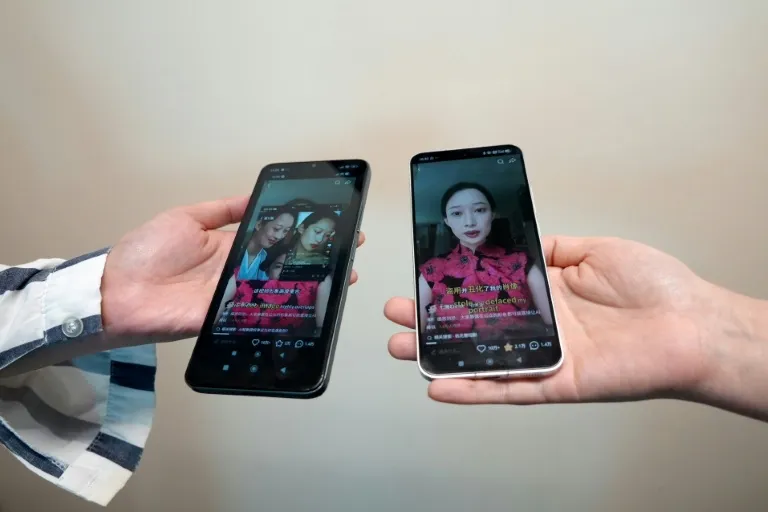
A recent controversy has erupted over an AI-generated video that falsely depicted a woman, leading to accusations of unauthorized use of her likeness. The video, created using artificial intelligence, showed the woman in a context she did not consent to, prompting her to publicly state, 'Clearly me,' in identifying the deepfake.
The incident has raised significant legal and ethical questions about the use of AI to replicate individuals' faces without permission. As of April 24, 2026, the woman has initiated legal proceedings against the creators, seeking damages and the removal of the video from online platforms.
Experts in digital rights and AI ethics have weighed in, noting that this case highlights the urgent need for clearer regulations around deepfake technology. The outcome of this lawsuit could set a precedent for future cases involving AI-generated content and personal identity rights.