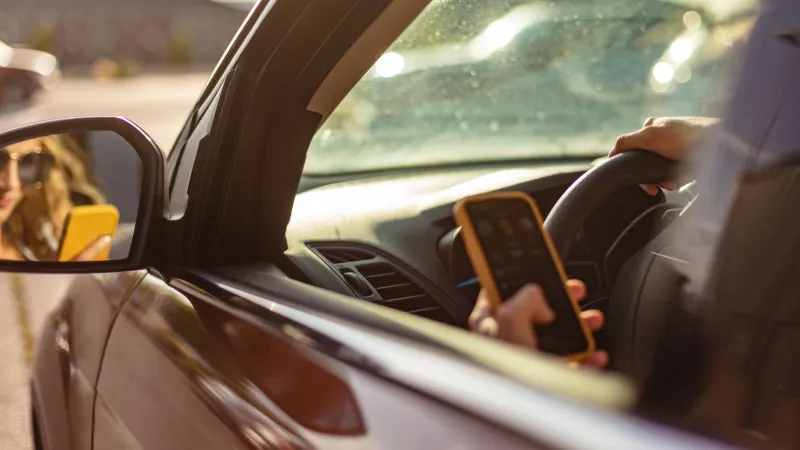
Several U.S. states are deploying artificial intelligence-powered camera systems to automatically detect and ticket drivers using handheld phones in highway work zones. This enforcement technology aims to improve safety for both motorists and road workers.
States like Maryland and New York have implemented or tested such programs. In Maryland, the "Work Zone Speed and Safety Camera" program uses AI to identify drivers holding phones. Violations result in a citation mailed to the vehicle's registered owner, with fines typically around $75 to $100, though no points are added to the driver's license.
The systems use high-resolution cameras and machine learning algorithms to distinguish between a driver holding a phone and other activities. Proponents argue the technology detracts dangerous behavior in high-risk areas, while privacy advocates have raised concerns about surveillance and data collection.
Similar legislation and pilot programs have been proposed or enacted in other states, including Connecticut and Georgia, reflecting a growing trend toward automated traffic enforcement for distracted driving.