Scientists have confirmed that the African continent is slowly splitting apart, a process that could eventually lead to the formation of a new ocean. A study from the Columbia Climate School, shared by Science Daily, highlights that the rift is progressing faster than previously estimated.
The East African Rift System, a 3,000-mile-long crack stretching from Ethiopia to Mozambique, is widening at a rate of about 0.8 inches per year. This movement is driven by tectonic plates pulling apart, with the Somali and Nubian plates diverging from the Arabian Plate.
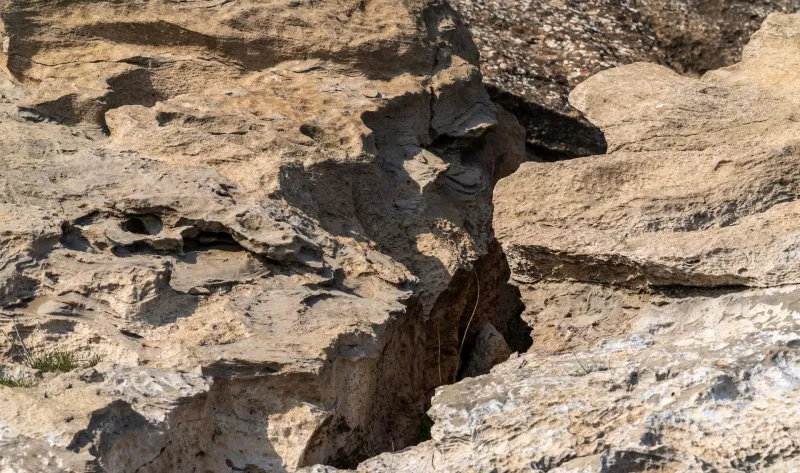
Researchers point to a massive fissure in Ethiopia's Afar region as evidence of the ongoing separation. The rift could eventually split the continent into two landmasses, creating a new ocean basin that would fill with water from the Red Sea and the Gulf of Aden.
While the process is dramatic on a geological timescale, it will take millions of years to complete. The current rate of separation means a new ocean is not expected for at least 5 to 10 million years, according to geologists.