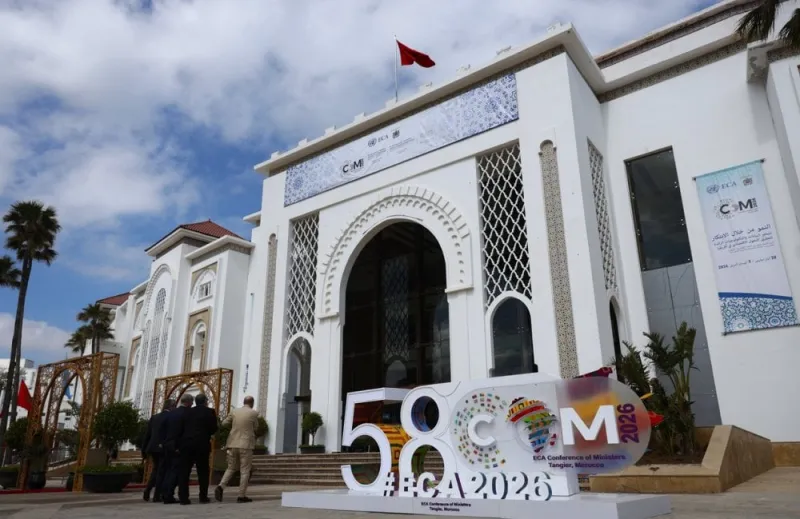
African finance ministers gathered in Tangier, Morocco, on April 1–2, 2026, for the 58th session of the Conference of African Ministers of Finance, Planning and Economic Development, organized by the United Nations Economic Commission for Africa (UNECA). The meeting focused on the economic shockwaves spreading across the continent as a result of the escalating conflict in the Middle East.
The crisis has exposed deep structural vulnerabilities in African economies, including heavy dependence on imported energy, food, and manufactured goods. Rising oil prices and disruptions to global shipping routes have driven up import costs across the continent, squeezing government budgets already strained by post-pandemic debt and sluggish growth. Several African nations that rely on remittances from workers in Gulf states have also reported growing uncertainty about those income flows.
At the same time, ministers and analysts pointed to potential levers of influence that Africa could deploy. The continent holds significant reserves of critical minerals — including cobalt, lithium, and rare earth elements — that are increasingly sought after by global powers seeking to diversify supply chains away from conflict-affected regions. African leaders have signaled a willingness to leverage these resources in negotiations over trade terms, debt relief, and development financing.
The UNECA conference also addressed the need for greater intra-African trade and financial integration as a buffer against external shocks. Delegates discussed accelerating implementation of the African Continental Free Trade Area (AfCFTA) as a means of reducing the continent's exposure to volatile global commodity markets and geopolitical disruptions originating far from its borders.