Morocco's tourism industry has long celebrated its headline figures — record arrivals, overnight stays, hotel revenues, and new infrastructure — but a growing chorus of voices within the sector is asking whether this focus on metrics comes at the cost of something less quantifiable: the authentic human hospitality that has historically set Morocco apart as a destination.
The country has set ambitious tourism targets, aiming to attract 17.5 million visitors by 2026 under its national tourism roadmap. While official figures have shown strong recovery and growth following the disruptions of the pandemic years, critics argue that the relentless pursuit of volume risks commodifying the very warmth and generosity — known in Arabic as karam — that travelers consistently cite as Morocco's most memorable quality.
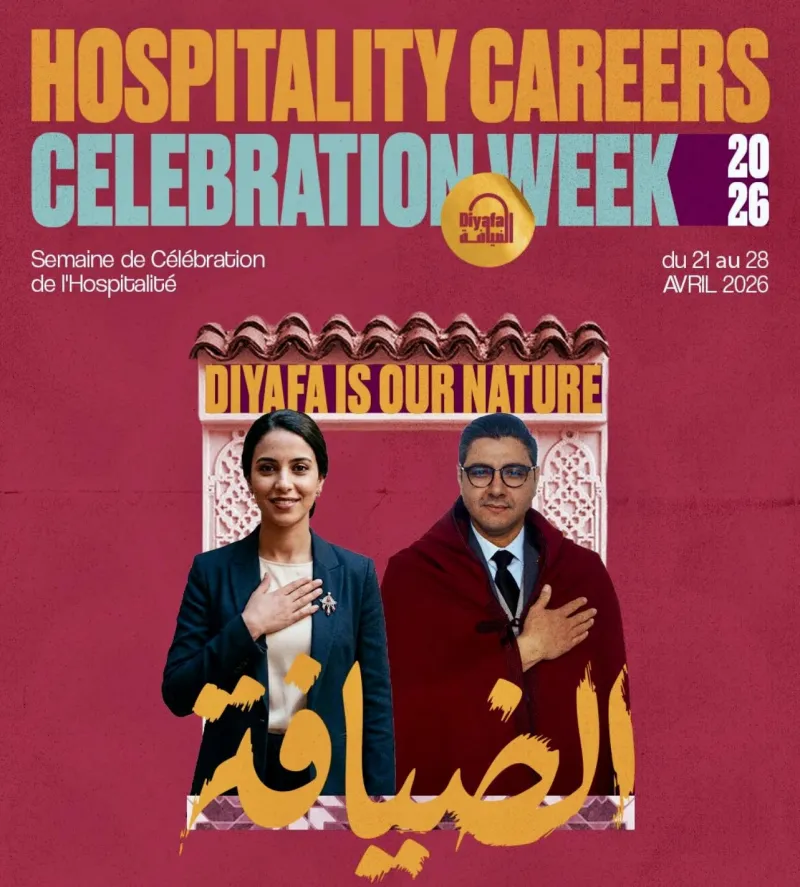
Hospitality in Morocco is deeply rooted in cultural and religious tradition, where welcoming a guest is considered a moral and social duty rather than a commercial transaction. This ethos, expressed through the ritual offering of mint tea, shared meals, and genuine personal engagement, is something that cannot easily be packaged into a hotel star rating or a tourism revenue figure.
As Morocco continues to invest heavily in tourism infrastructure — including preparations linked to co-hosting the 2030 FIFA World Cup — industry observers are calling for a more balanced approach that measures not only economic output but also the quality of human connection between hosts and visitors. The argument is that sustainable tourism success depends as much on preserving cultural authenticity as on expanding capacity.
The debate reflects a broader global conversation about the future of travel: whether mass tourism, driven by aggressive growth targets, ultimately undermines the intangible assets — culture, community, and genuine welcome — that made a destination desirable in the first place.