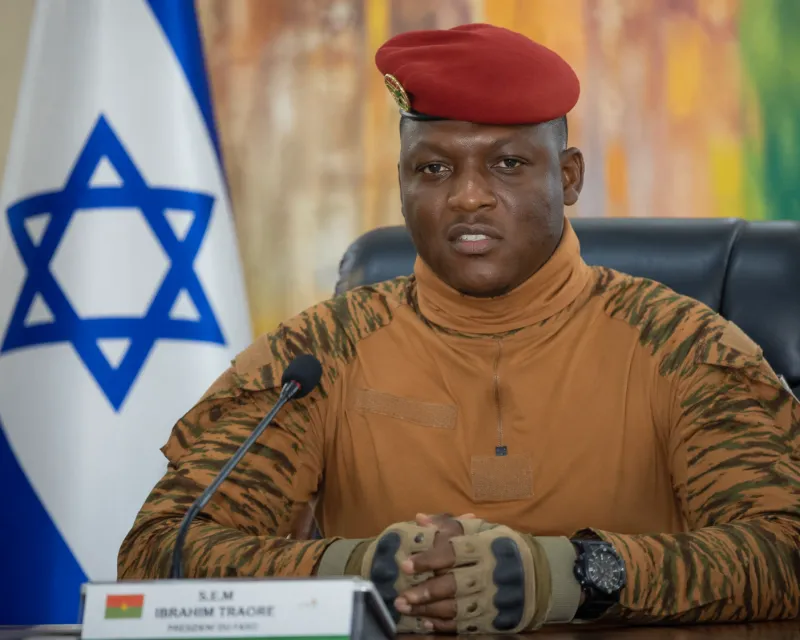
The Alliance of Sahel States (AES), formed by the military-led governments of Mali, Burkina Faso, and Niger, continues to assert its sovereignty and distance from traditional Western partners. The bloc, established in September 2023, has framed itself as a collective defense and cooperation pact against security threats and external interference.
However, this pursuit of absolute sovereignty is being tested by harsh regional realities. The three nations remain epicenters of a severe jihadist insurgency, with violence causing significant civilian displacement and casualties. Their decisions to expel French and other international forces, and to distance themselves from the Economic Community of West African States (ECOWAS), have complicated regional security coordination.
Economically, the AES states face significant challenges. Sanctions imposed by ECOWAS following the coups, though some have been lifted, combined with internal instability, have strained economies. The alliance's proposed shift away from the CFA franc towards a new sovereign currency, the 'Sahel', is a long-term project fraught with technical and macroeconomic hurdles, according to financial analysts.
Diplomatically, the AES governments have pivoted towards strategic partnerships with Russia, evident through the deployment of Russian military personnel and contractors. They have also strengthened ties with other nations critical of Western influence. This re-alignment has reshaped the geopolitical landscape of the Sahel, creating a new front of strategic competition in the region.