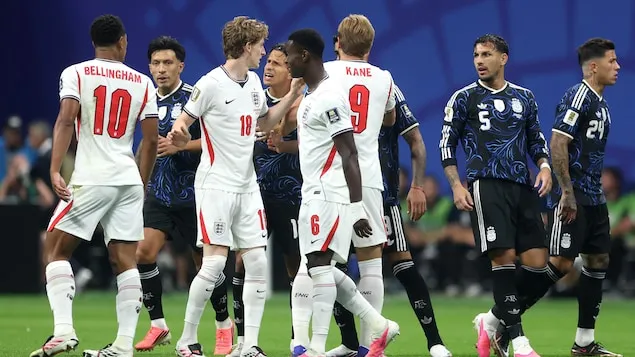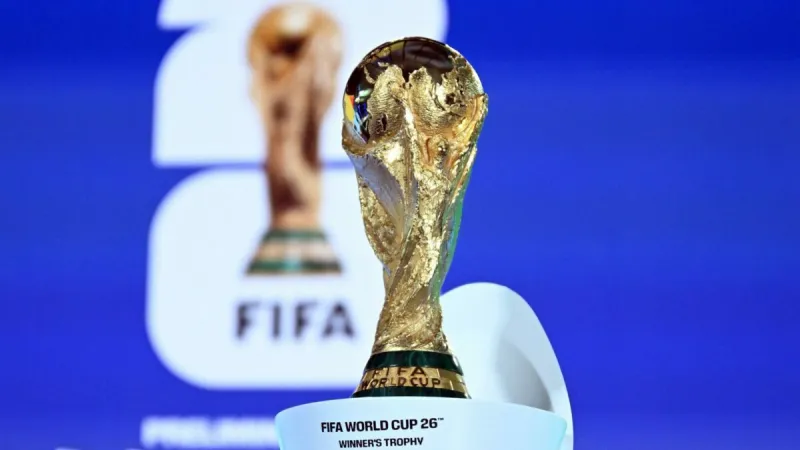
The 2026 FIFA World Cup, co-hosted by the United States, Canada, and Mexico, marked a historic shift in the tournament's structure and global impact. For the first time, the competition featured 48 teams, expanded from the previous 32-team format, allowing more nations to participate. The tournament ran from June 11 to July 19, 2026, with matches held across 16 cities in the three host countries.
According to FIFA, the 2026 edition set new attendance records, with over 5 million tickets sold. The final match, scheduled for July 19 at MetLife Stadium in East Rutherford, New Jersey, was highly anticipated. The tournament also saw the introduction of a round of 32 knockout stage, replacing the traditional round of 16, due to the expanded group phase.
Notable moments included the debut of several teams, such as Canada and Panama, who qualified for the first time. The United States men's national team advanced to the quarterfinals, their best performance since 2002. The tournament also featured controversial VAR decisions and discussions about player workload due to the increased number of matches.
Economically, the World Cup generated an estimated $11 billion in revenue for FIFA, with significant investments in infrastructure across the host nations. The event was praised for its inclusivity and diversity, though some critics noted logistical challenges related to travel between the three countries.