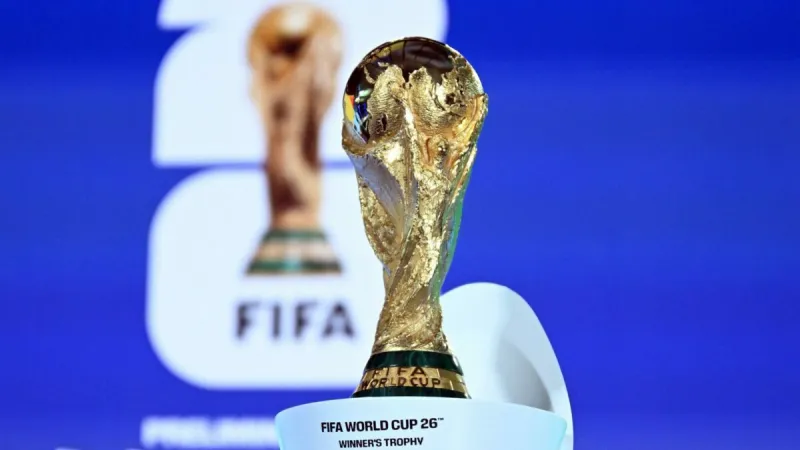
The 2026 FIFA World Cup, the first to be co-hosted by three nations—the United States, Canada, and Mexico—concluded on July 18, 2026, with a final match. The tournament featured 48 teams for the first time, expanding from the previous 32-team format. Matches were held across 16 venues in North America, including iconic stadiums like the Rose Bowl in Pasadena and Estadio Azteca in Mexico City.
According to official FIFA reports, the tournament saw record attendance figures, with over 3.5 million tickets sold. The final match, held at MetLife Stadium in East Rutherford, New Jersey, drew a global audience estimated at 1.5 billion viewers. The winning team, Argentina, defeated Brazil 3-2 in a thrilling match, securing their third World Cup title.
Key highlights included standout performances from players like Lionel Messi, who scored 5 goals in the tournament, and Kylian Mbappé, who led France to the semifinals. The expanded format allowed for more diverse representation, with debut appearances from teams like Canada and Iceland. Environmental initiatives, such as carbon offset programs and reusable cup systems, were implemented across all venues.
Despite logistical challenges, including travel distances between venues and concerns over fan safety, the tournament was widely praised for its organization and inclusivity. FIFA President Gianni Infantino called it "the most successful World Cup in history" in a press conference on July 19, 2026.