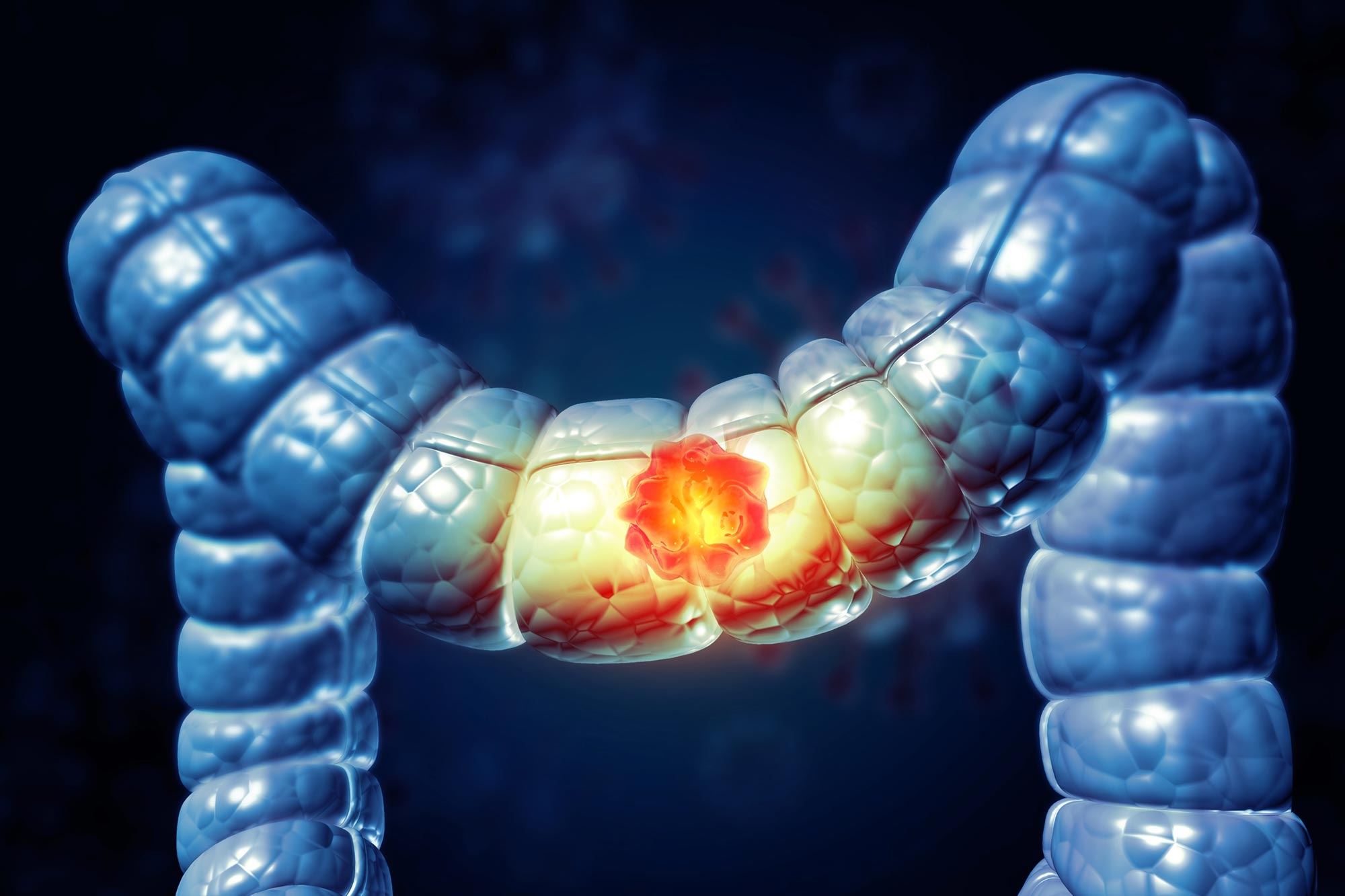
A groundbreaking study has revealed why colorectal cancer rates are surging among younger adults, uncovering an unexpected physical characteristic that could transform our understanding of early-onset disease. Researchers have discovered that younger patients with colorectal cancer possess abnormally stiff colon tissue that actively promotes tumor growth and progression.
The research team found that this increased tissue stiffness creates a biomechanical environment that favors cancer development, representing a significant departure from traditional risk factors typically associated with the disease. This discovery helps explain the puzzling rise in colorectal cancer cases among adults under 50, a trend that has baffled medical professionals for years.
The study's implications extend beyond understanding the disease mechanism. These findings suggest that tissue stiffness could serve as an early diagnostic marker, potentially enabling healthcare providers to identify high-risk individuals before cancer develops. The research also opens new avenues for therapeutic interventions targeting the biomechanical properties of colon tissue.
This breakthrough represents a crucial step forward in combating the rising tide of early-onset colorectal cancer. As researchers continue to investigate the underlying causes of increased tissue stiffness, this discovery offers hope for developing more effective prevention strategies and personalized treatment approaches for younger patients facing this devastating disease.