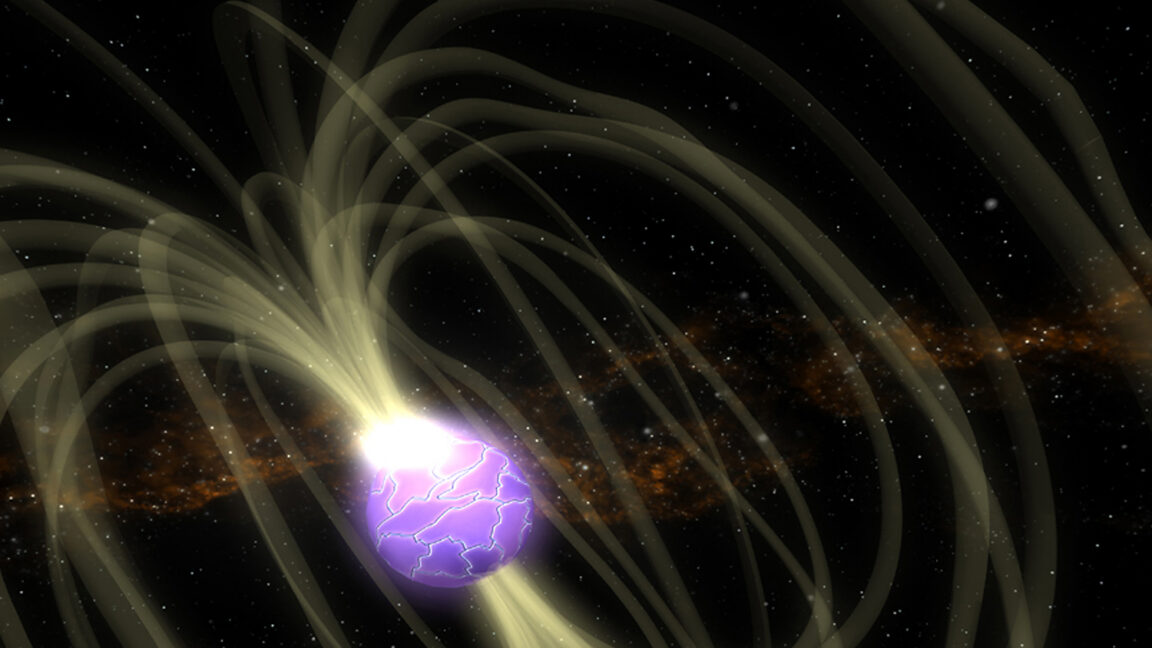
In a groundbreaking discovery published in Nature journal, astrophysicists have witnessed the birth of a magnetar for the first time, confirming these highly magnetized, spinning neutron stars power some of the brightest exploding stars in the cosmos.
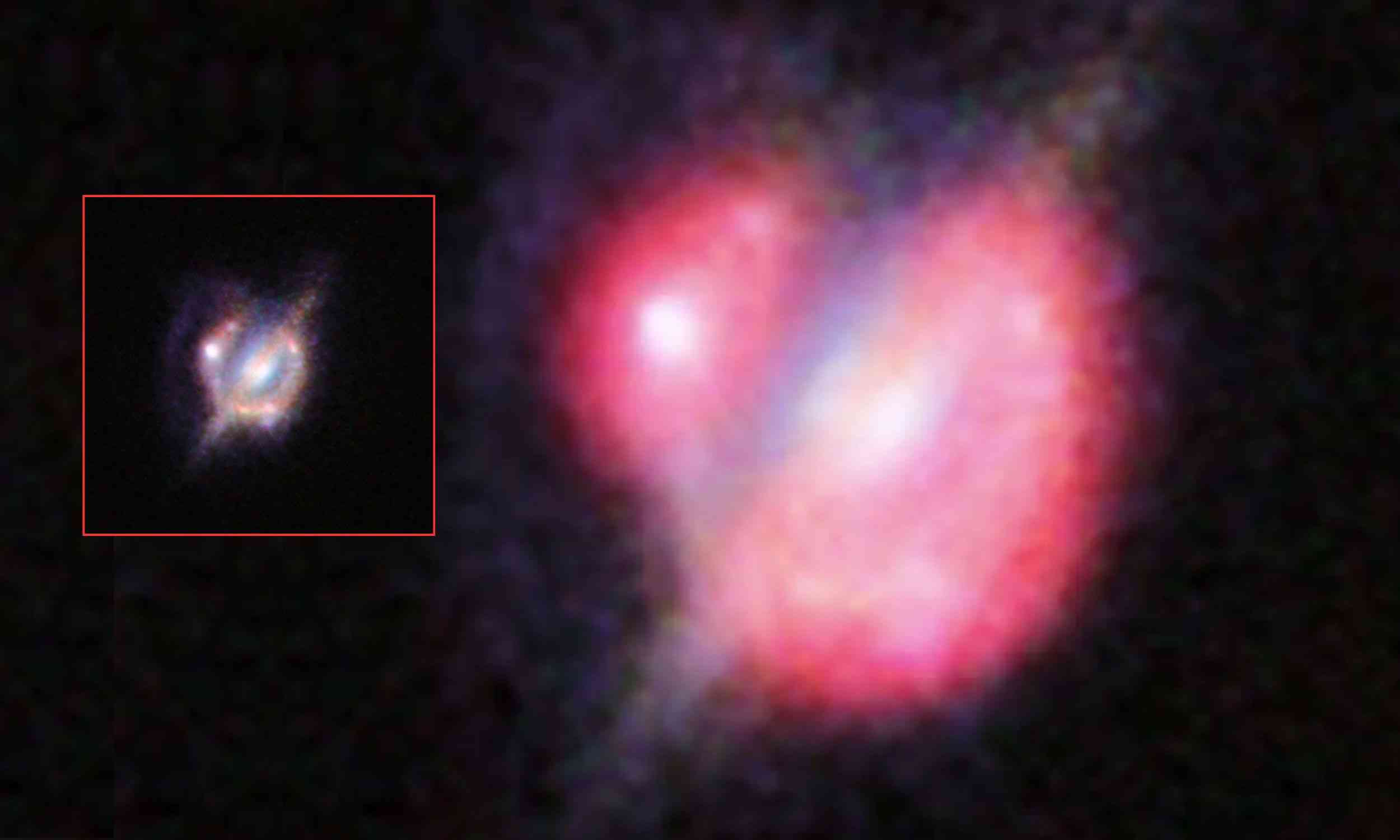
The breakthrough came from observations of supernova SN 2024afav, located about a billion light-years from Earth, which was monitored across 200 days by astronomers at Las Cumbres Observatory. The supernova exhibited an unprecedented "chirp" pattern - periodic brightness fluctuations that sped up over time, something no existing model could explain.
Led by UC Santa Barbara graduate student Joseph Farah, researchers determined this chirping was caused by the Lense-Thirring effect - a prediction of Einstein's general relativity where a spinning massive object drags spacetime around it. Material from the explosion formed an accretion disk around the newborn magnetar, and because the disk was misaligned with the magnetar's spin axis, the relativistic frame-dragging caused it to wobble and precess.
Superluminous supernovae can shine up to 100 times brighter than typical supernovae and persist much longer. This discovery provides the clearest evidence yet that magnetars power these extreme explosions, transforming what had been a theoretical explanation into a confirmed mechanism. The upcoming Vera C. Rubin Observatory will observe millions of supernovae, potentially revealing more of these relativistic effects in extreme cosmic environments.