Sandy beaches constitute approximately one-third of the world's ice-free coastlines, serving as critical buffers against storms, vital habitats for species like sea turtles, and key areas for sediment and water retention. However, these dynamic ecosystems are under severe threat from climate change and human development.
Scientific research, including a 2020 study in the journal Nature Climate Change, indicates that without climate mitigation, up to half of the world's sandy beaches could face significant erosion by 2100 due to sea-level rise. Coastal infrastructure and sand mining further exacerbate the loss of these natural barriers.
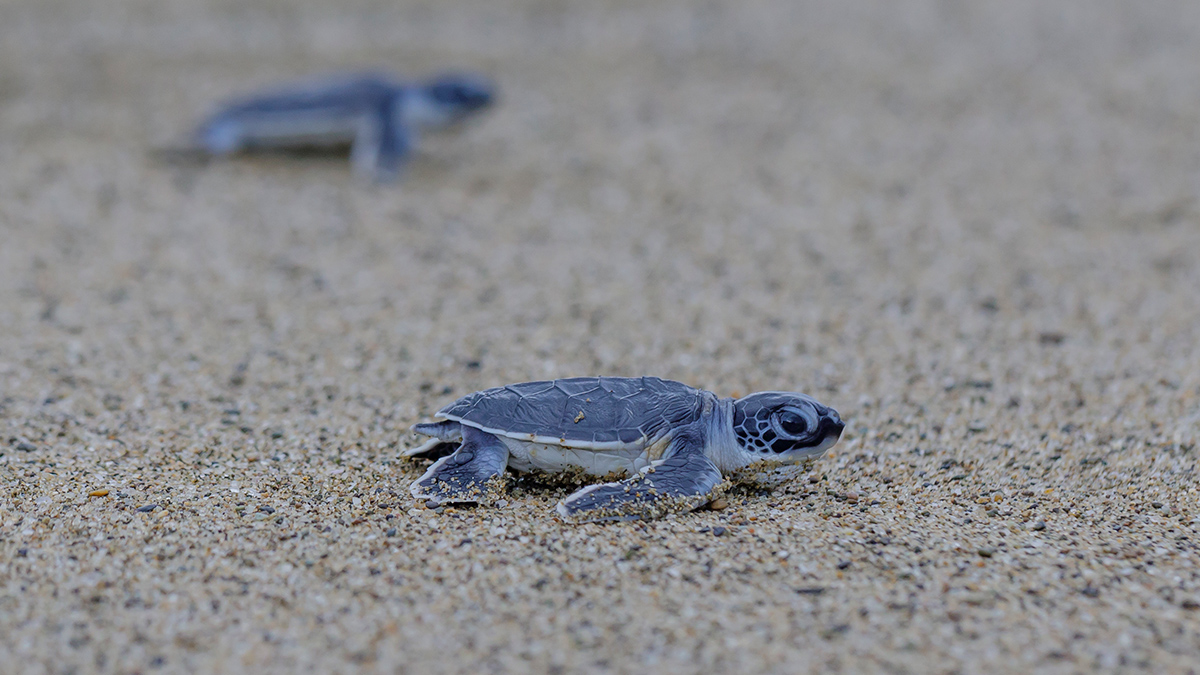
The erosion of sandy shorelines directly impacts biodiversity. Beaches provide nesting grounds for endangered sea turtles, and their degradation, combined with rising temperatures, can skew hatchling sex ratios and reduce nesting success. The loss of these habitats has cascading effects on coastal ecosystems.
Addressing this challenge requires integrated coastal zone management, including the restoration of natural sediment flows and the implementation of 'soft' engineering solutions. Protecting sandy beaches is essential for maintaining coastal resilience, economic livelihoods, and global biodiversity in the face of ongoing environmental change.