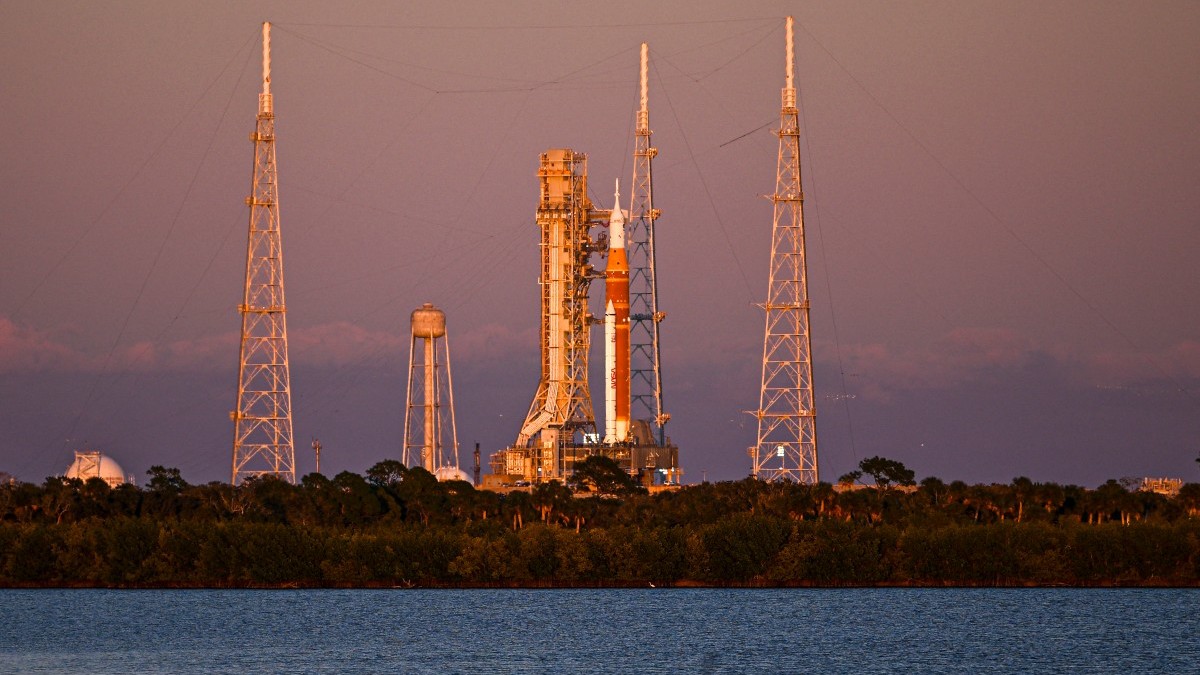
NASA has officially announced that Artemis II, the groundbreaking mission that will return humans to lunar orbit for the first time in over five decades, is scheduled for launch in April. The announcement, made on Thursday, March 12th, marks a pivotal moment in space exploration history.
The ambitious 10-day mission will carry a crew of astronauts on a journey around the Moon and back to Earth, following the successful uncrewed Artemis I test flight. This historic voyage represents humanity's bold return to deep space exploration after the conclusion of the Apollo program in the 1970s.
The Artemis II crew will travel aboard NASA's powerful Space Launch System (SLS) rocket and the Orion spacecraft, which have been rigorously tested and refined following lessons learned from previous missions. The spacecraft will perform a lunar flyby, allowing the crew to conduct various scientific experiments and system tests in preparation for future lunar landings.
This mission serves as a crucial stepping stone toward Artemis III, which aims to land the first woman and the next man on the lunar surface. NASA's Artemis program represents not just a return to the Moon, but a sustainable approach to lunar exploration that will establish a foundation for future Mars missions and deeper space exploration.