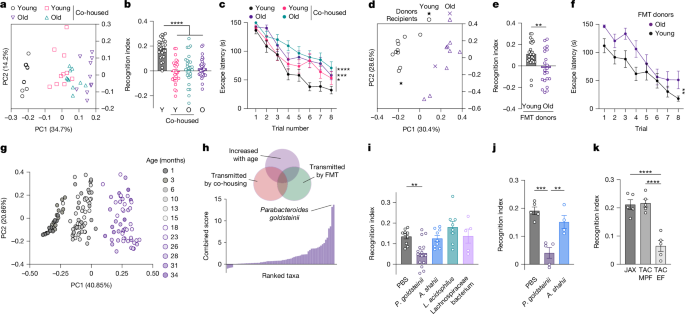
A groundbreaking study published in Nature has unveiled a surprising connection between gut bacteria and age-related memory decline, potentially revolutionizing how we understand and treat cognitive aging. Researchers have discovered that changes in intestinal bacteria as we age directly contribute to brain inflammation and hippocampal dysfunction, the brain region crucial for memory formation.
The research team found that aging leads to an increase in bacteria that produce medium-chain fatty acids in the gut. These compounds activate a specific receptor called GPR84, which triggers inflammatory responses in immune cells. This inflammation disrupts the vagus nerve's communication between the gut and brain, ultimately impairing memory functions in the hippocampus.
What makes this discovery particularly exciting is that the researchers successfully reversed memory problems in aged mice by targeting this gut-brain pathway. This suggests that therapeutic interventions focusing on gut microbiome composition could potentially prevent or treat age-related cognitive decline in humans.
The study represents a significant advance in understanding the gut-brain axis and its role in neurological health. By identifying specific bacterial changes and their mechanisms, scientists have opened new avenues for developing treatments that could help millions of people maintain cognitive function as they age, marking a promising step forward in the fight against age-related memory loss.