In the lightless depths of the ocean, a unique ecosystem thrives around the sunken carcasses of whales, events known as "whale falls." These massive biological events provide a sudden, concentrated source of nutrients in an otherwise food-scarce environment, supporting complex communities for decades.
Among the key scavengers are rattail fish, also known as grenadiers. Verified sources, including the Monterey Bay Aquarium Research Institute (MBARI), confirm these fish can grow over a meter long and inhabit depths exceeding 4,000 meters. They are often among the first arrivals, along with sleeper sharks and hagfish, to consume the soft tissue of a fallen whale.
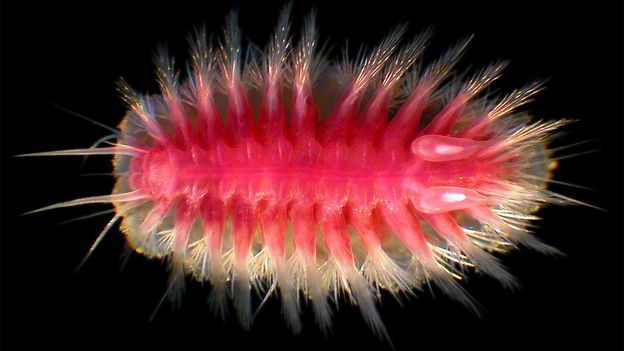
The decomposition process stages support different organisms. After mobile scavengers, bacteria break down bones, and specialized creatures like bone-eating Osedax worms colonize the skeleton. A single whale fall can sustain a localized ecosystem for over 50 years, creating biodiversity hotspots on the seafloor.
Scientists continue to study these ecosystems using remotely operated vehicles (ROVs). Research indicates whale falls act as stepping stones, allowing species to disperse across the vast deep-sea plains. Their study provides crucial insights into deep-sea ecology and carbon cycling.