When you watch a sparrow hopping across your lawn or a turkey strutting through a farmyard, you're witnessing living remnants of the age of dinosaurs. Far from being distant relatives, birds are actually dinosaurs themselves—the sole survivors of the mass extinction event that eliminated their giant cousins 66 million years ago.
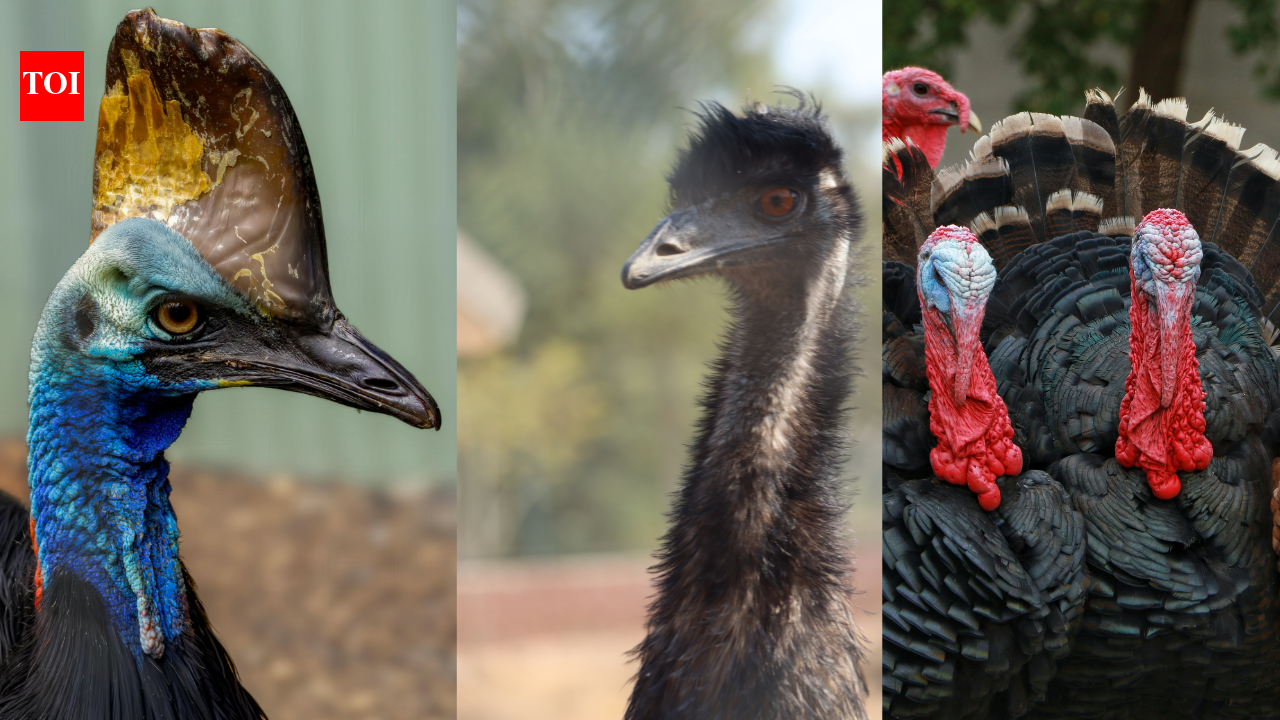
Among modern birds, eight species stand out as particularly striking examples of this prehistoric connection. The southern cassowary, often called the world's most dangerous bird, bears an uncanny resemblance to velociraptors with its powerful legs, razor-sharp claws, and aggressive territorial behavior. Similarly, ostriches and emus showcase the bipedal locomotion and neck structure that defined many theropod dinosaurs.
Even common backyard visitors reveal their ancient lineage through careful observation. Turkeys display elaborate courtship rituals reminiscent of feathered dinosaurs, while chickens exhibit pack-hunting behaviors when chasing insects. Peacocks' extravagant plumage mirrors the ornate crests and frills scientists have discovered on fossilized dinosaur specimens.
Perhaps most fascinating are birds of prey like hawks and eagles, whose hunting strategies, keen eyesight, and talon-based attacks directly echo the predatory techniques of their Mesozoic ancestors. These living dinosaurs continue to evolve and adapt, proving that the age of dinosaurs never truly ended—it simply took flight.